Pyridine → 6-((2-Ethylhexyl)(phenyl)amino)hexyl acetate
Reaction equation

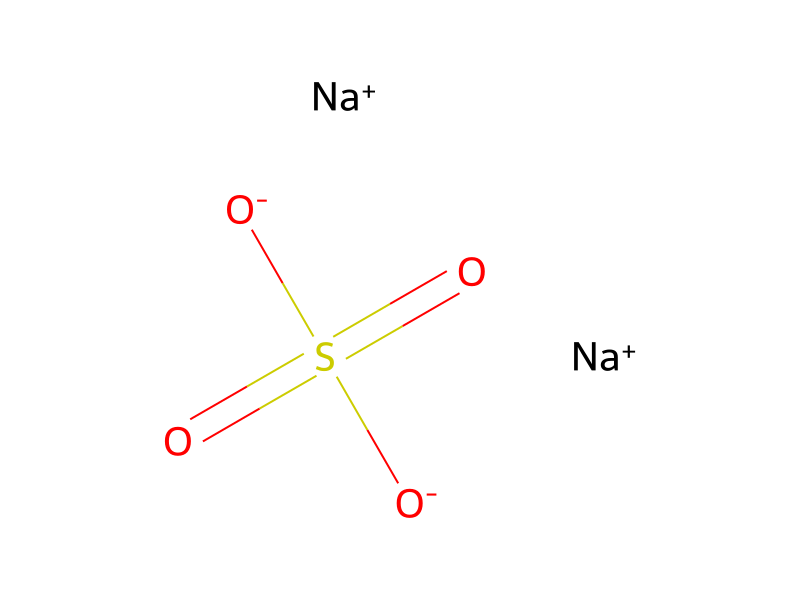
[CH2:1]([CH:3]([CH2:19][CH2:20][CH2:21][CH3:22])[CH2:4][N:5]([C:13]1[CH:18]=[CH:17][CH:16]=[CH:15][CH:14]=1)[CH2:6][CH2:7][CH2:8][CH2:9][CH2:10][CH2:11][OH:12])[CH3:2].[C:23](OC(=O)C)(=[O:25])[CH3:24].N1C=CC=CC=1.S([O-])([O-])(=O)=O.[Na+].[Na+]>ClCCl.O>[C:23]([O:12][CH2:11][CH2:10][CH2:9][CH2:8][CH2:7][CH2:6][N:5]([CH2:4][CH:3]([CH2:1][CH3:2])[CH2:19][CH2:20][CH2:21][CH3:22])[C:13]1[CH:18]=[CH:17][CH:16]=[CH:15][CH:14]=1)(=[O:25])[CH3:24]Participants
7






Procedure
6-((2-ethylhexyl)(phenyl)amino)hexan-1-ol (8.0 g, 0.023 mol) and dichloromethane (100 ml) were loaded into a three-neck flask, stirred, and added with acetic anhydride (2.8 g, 0.028 mol) and pyridine (3.0 g, 0.038 mol). The mixture was allowed to react at 40° C. for 12 hours with stirring. The reaction product was transferred into a separate funnel, and was then added with water and dichloromethane, after which the organic layer was isolated therefrom, dehydrated using sodium sulfate, and then distilled under reduced pressure. Subsequently, the obtained viscous liquid was separated through silica column chromatography, thus obtaining 7.5 g of a yellowish transparent liquid.
Workup
- customto react at 40° C. for 12 hours
- stirringwith stirring
- customThe reaction product was transferred into a separate funnel
- customafter which the organic layer was isolated
- distillationdistilled under reduced pressure
- customSubsequently, the obtained viscous liquid was separated through silica column chromatography
Sources & evidence
- ORD record
- ord-f3b9171a85224812a8fd2acec1063b2c
- Source dataset
- uspto-grants-2011_03
- Patent number
- US07915428B2
Reaction notes
Loading…