Zinc Oxide → Zinc Citrate
Reaction equation

[C:1]([O-:13])(=[O:12])[CH2:2][C:3]([CH2:8][C:9]([O-:11])=[O:10])([C:5]([O-:7])=[O:6])[OH:4].C[NH+]1CCCCC1.C[NH+]1CCCCC1.C[NH+]1CCCCC1.[O-2].[Zn+2:36]>>[C:1]([O-:13])(=[O:12])[CH2:2][C:3]([CH2:8][C:9]([O-:11])=[O:10])([C:5]([O-:7])=[O:6])[OH:4].[Zn+2:36].[C:1]([O-:13])(=[O:12])[CH2:2][C:3]([CH2:8][C:9]([O-:11])=[O:10])([C:5]([O-:7])=[O:6])[OH:4].[Zn+2:36].[Zn+2:36]Participants
3
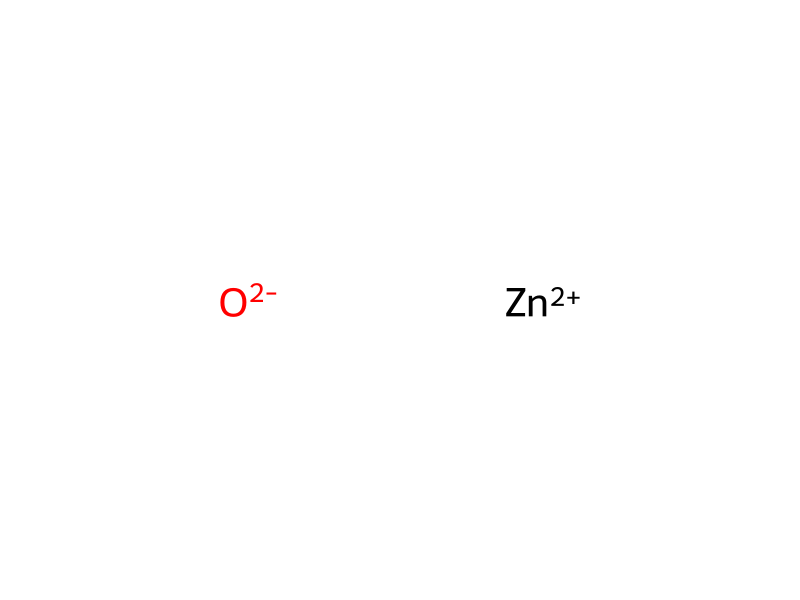


Procedure
A similar study was initiated as in Example 1 to evaluate the ability of ZnO to adjust the pH of an aqueous solution of N-methylpiperidinium citrate. The addition of zinc oxide yielded slightly different results in that the reaction did not produce zinc citrate as a precipitate.
Workup
- customyielded slightly different
- customresults in that the reaction
Sources & evidence
- ORD record
- ord-f7cfea5021484984a1f140b96fe6f7f8
- Source dataset
- uspto-grants-1999_12
- Patent number
- US06004577
Reaction notes
Loading…