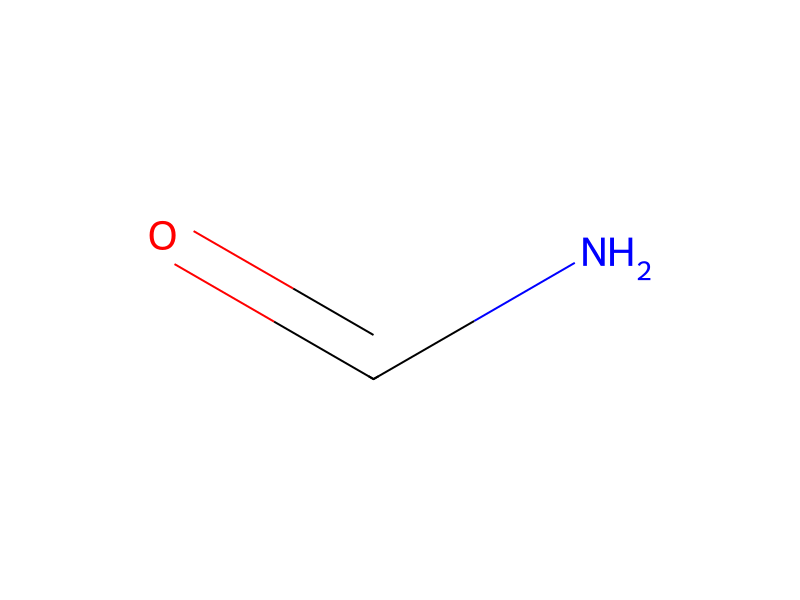
Formamide → 2(1H)-Quinazolinone, 6,7-dimethoxy-
Reaction equation

BrC1C=C(N[C:9]2[C:18]3[C:13](=[CH:14][C:15]([O:21][CH3:22])=[C:16]([O:19][CH3:20])[CH:17]=3)[N:12]=[CH:11][N:10]=2)C=CC=1.NC1C=C(OC)C(OC)=CC=1C(OC)=[O:27].C(N)=O>O>[CH3:20][O:19][C:16]1[CH:17]=[C:18]2[C:13](=[CH:14][C:15]=1[O:21][CH3:22])[NH:12][C:11](=[O:27])[N:10]=[CH:9]2Participants
Reactant 3


Product 1

Reagents, catalysts & solvents 1

Procedure
In an example, A1 was prepared essentially as described in Barker, AJ. European Patent Application 0 566 226 A1, Oct. 20, 1993; and Gazit et al., Bioorg. Med. Chem. 4:1203-1207, 1996. Briefly, methyl 2-amino-4,5-dimethoxybenzoate was treated with formamide at 180° C. The reaction was cooled and diluted with water. The precipitate was collected by filtration, washed with water and dried to give 6,7-dimethoxyquinazolone, which was treated with thionyl chloride and dimethylformamide at reflux, concentrated, and stirred with sodium bicarbonate solution. The resulting solid was collected and crystallized from hexane to give 4-chloro-6,7-dimethoxyquinazoline, which was refluxed with 3-bromoaniline in ethanol, cooled, treated with 1 normal NaOH and the resulting solid collected by filtration to yield 4-(3-bromophenylamino)-6,7-dimethoxyquinazoline (A1).
Workup
- temperatureThe reaction was cooled
- filtrationThe precipitate was collected by filtration
- washwashed with water
- customdried
Sources & evidence
- ORD record
- ord-05fcdda7a9a647b886621d3ff4eff171
- Source dataset
- uspto-grants-1999_12
- Patent number
- US06004967
Reaction notes
Loading…