Phthalic Anhydride → N-(4-pyridinylamino)-1H-isoindole
Reaction equation

[C:1]1(=O)O[C:4](=O)[C:3]2=[CH:7][CH:8]=[CH:9][CH:10]=[C:2]12.Cl.[NH:13]([C:15]1[CH:20]=[CH:19][N:18]=[CH:17][CH:16]=1)[NH2:14]>C(O)(=O)C>[N:18]1[CH:19]=[CH:20][C:15]([NH:13][N:14]2[CH2:4][C:3]3[C:2](=[CH:10][CH:9]=[CH:8][CH:7]=3)[CH2:1]2)=[CH:16][CH:17]=1Participants
Reactant 2
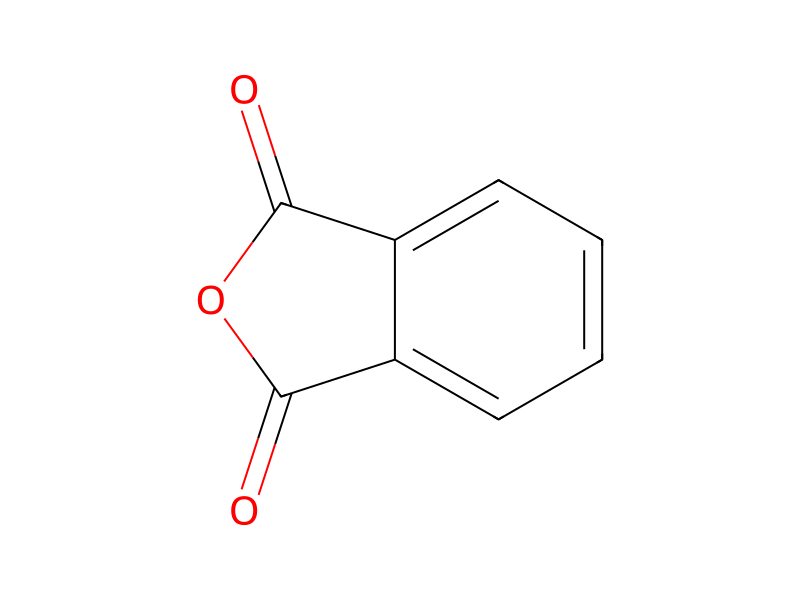

Product 1

Reagents, catalysts & solvents 1

Procedure
Phthalic anhydride (5.1 g) and 4-hydrazinopyridine hydrochloride (5.0 g) were suspended in glacial acetic acid (300 ml), and the mixture was heated under reflux for 8 hrs. The reaction mixture was evaporated, and the residue was triturated with 2-propanol. The solid was collected and dried to give 8.0 g of N-(4-pyridinylamino)-1H-isoindole. 1M lithium aluminum hydride in tetrahydrofuran (72.5 ml) was added dropwise to a portion (4.0 g) of the above solid suspended in tetrahydrofuran (200 ml) at 0° C., under nitrogen. The reaction mixture was warmed to ambient temperature, stirred overnight, under nitrogen, and was added to ice water, with stirring. The mixture was extracted with 2-propanol/chloroform (1/4). The organic extracts were washed with water and brine, dried over anhydrous sodium sulfate, filtered, and the filtrate was concentrated. The residue was chromatographed on silica gel, eluting with 5% methanol/chloroform. The appropriate fractions were collected and evaporated to yield 1.3 g (36%) of product free base. The free base was dissolved in methanol, and methanolic hydrogen chloride was added. The precipitate was collected to give 0.25 g (5.8%) of product, mp 253-255° C.
Workup
- temperaturethe mixture was heated
- temperatureunder reflux for 8 hrs
- customThe reaction mixture was evaporated
- customthe residue was triturated with 2-propanol
- customThe solid was collected
- customdried
Sources & evidence
- ORD record
- ord-186b4ba0751c465b8f7c9bfd6741d56f
- Source dataset
- uspto-grants-1999_12
- Patent number
- US06004977
Reaction notes
Loading…