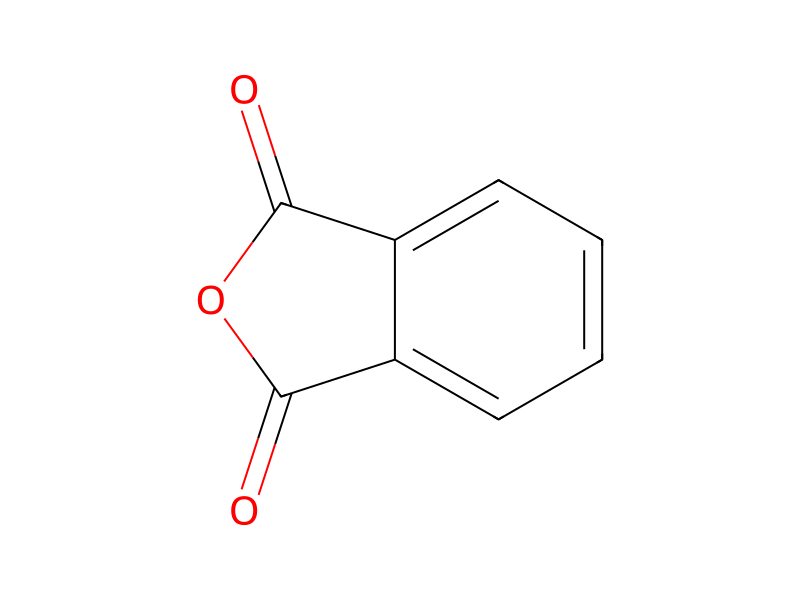
Phthalic Anhydride → HCID 19595161, compound
Reaction equation

[C:1]1(=[O:11])[O:6][C:4](=O)[C:3]2=[CH:7][CH:8]=[CH:9][CH:10]=[C:2]12.[F:12][C:13]1[CH:14]=[N:15][CH:16]=[CH:17][C:18]=1[NH:19][NH2:20]>C(O)(=O)C>[F:12][C:13]1[CH:14]=[N:15][CH:16]=[CH:17][C:18]=1[NH:19][N:20]1[C:1](=[O:11])[C:2]2[C:3](=[CH:7][CH:8]=[CH:9][CH:10]=2)[C:4]1=[O:6]Participants
Reactant 2

Product 1

Reagents, catalysts & solvents 1

Procedure
To a stirred solution of phthalic anhydride (1.76 g) in acetic acid (45 ml), 3-fluoro-4-hydrazinopyridine (1.52 g) was added. The reaction mixture was heated under reflux for 1 hr and concentrated in vacuo to give 3.88 g of 2-(3-fluoro-pyridin-4-ylamino)isoindole-1,3-dione. To a stirred solution of 2-(3-fluoropyridin-4-ylamino)isoindole-1,3-dione (3.88 g) in tetrahydrofuran (125 ml) at 0° C., lithium aluminum hydride (2.86 g) was added. The reaction mixture was allowed to warm to ambient temperature and was stirred for 1 day. Sodium sulfate decahydrate was added, and the mixture was filtered. The filtrate was concentrated in vacuo. The residue was chromatographed on a silica gel eluting with ethyl acetate. The appropriate fractions were collected and concentrated to yield 1.28 g (37%) of product free base. A portion of the free base was dissolved in methanol, and ethereal hydrogen chloride was added. The precipitate was collected and recrystallized from methanol to yield 0.200 g of product, mp 200-202° C.
Workup
- temperatureThe reaction mixture was heated
- temperatureunder reflux for 1 hr
- concentrationconcentrated in vacuo
Sources & evidence
- ORD record
- ord-e60b30e1c24f4caa8df1a1589d51d408
- Source dataset
- uspto-grants-1999_12
- Patent number
- US06004977
Reaction notes
Loading…