Oxalic Acid → (S)-2,2-diphenyl-2-(pyrrolidin-3-yl)acetonitrile
Reaction equation

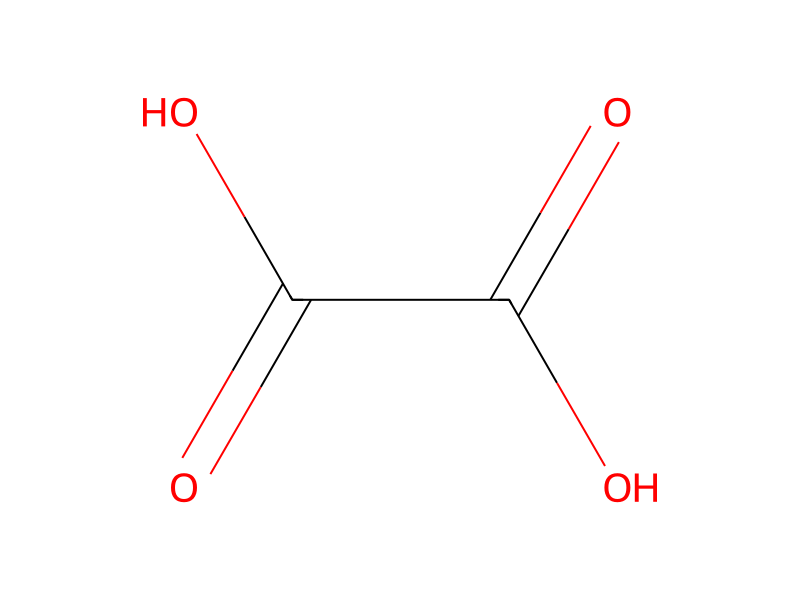
C([N:8]1[CH2:12][CH2:11][C@@H:10]([C:13]([C:26]#[N:27])([C:20]2[CH:25]=[CH:24][CH:23]=[CH:22][CH:21]=2)[C:14]2[CH:19]=[CH:18][CH:17]=[CH:16][CH:15]=2)[CH2:9]1)C1C=CC=CC=1.C(O)(=O)C(O)=O.[H][H]>[C].[Pd].C(O)C>[C:26]([C:13]([C@@H:10]1[CH2:11][CH2:12][NH:8][CH2:9]1)([C:20]1[CH:21]=[CH:22][CH:23]=[CH:24][CH:25]=1)[C:14]1[CH:19]=[CH:18][CH:17]=[CH:16][CH:15]=1)#[N:27]Participants
6





Conditions
- Temperature
- 60 °C
Procedure
The procedure of Example 1 was followed except that the autoclave was charged with 3.9 g of 79% pure (S)-1-benzyl-3-(1-cyano-1,1-diphenylmethyl)-pyrrolidine, 3.1 ml of ethanol, 786 mg of oxalic acid and 158 mg of moist 5% palladium-carbon (water content 52% by weight) and that hydrogen was introduced thereinto and the autoclave was heated to thereby raise the temperature to 60° C. and the pressure to 203 kPa and the reaction was allowed to proceed for 3.5 hours. (S)-3-(1-Cyano-1,1-diphenylmethyl)-pyrrolidine was obtained in a yield of 70 mole percent.
Workup
- temperaturethe autoclave was heated
Sources & evidence
- ORD record
- ord-060dd58e3eb744189f6d842e8f4443b4
- Source dataset
- uspto-grants-1999_12
- Patent number
- US06005119
Reaction notes
Loading…