Glycerol → 2,3-Dihydroxypropyl 4-(n-hexadecylamino)benzoate
Reaction equation

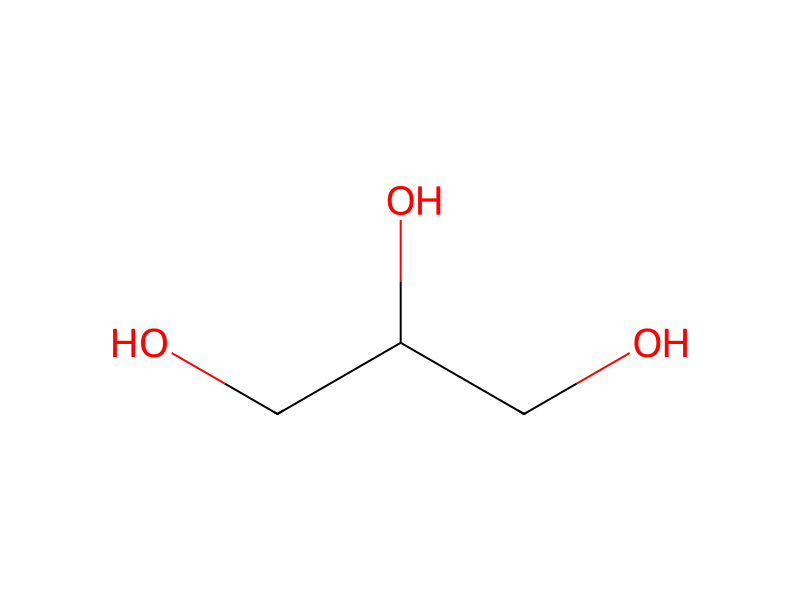
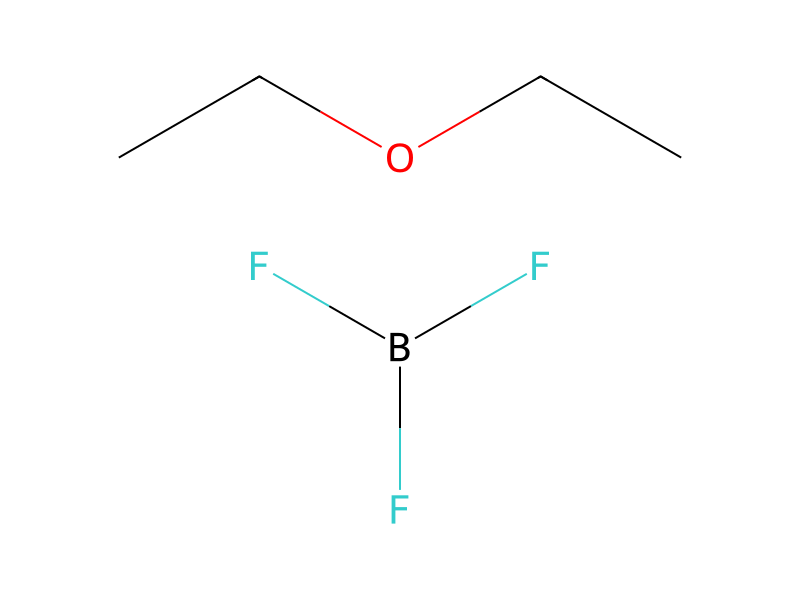
[CH2:1]([NH:17][C:18]1[CH:26]=[CH:25][C:21]([C:22]([OH:24])=[O:23])=[CH:20][CH:19]=1)[CH2:2][CH2:3][CH2:4][CH2:5][CH2:6][CH2:7][CH2:8][CH2:9][CH2:10][CH2:11][CH2:12][CH2:13][CH2:14][CH2:15][CH3:16].[OH:27][CH2:28][CH:29]([CH2:31]O)[OH:30].B(F)(F)F.CCOCC>C1(C)C=CC=CC=1>[CH2:1]([NH:17][C:18]1[CH:19]=[CH:20][C:21]([C:22]([O:24][CH2:31][CH:29]([OH:30])[CH2:28][OH:27])=[O:23])=[CH:25][CH:26]=1)[CH2:2][CH2:3][CH2:4][CH2:5][CH2:6][CH2:7][CH2:8][CH2:9][CH2:10][CH2:11][CH2:12][CH2:13][CH2:14][CH2:15][CH3:16]Participants
5
Reactant 3

Product 1

Reagents, catalysts & solvents 1

Procedure
A solution of 11.8 g of 4-(n-hexadecylamino)benzoic acid, 1.00 g of glycerol, and 5.35 ml of boron trifluoride etherate in 200 ml of toluene is stirred under reflux for 48 hours. The solution is treated with an additional 5.35 ml of boron trifluoride etherate and refluxing is continued for 120 hours. Dilution with water and methylene chloride followed by filtration affords 2,3-dihydroxypropyl 4-(n-hexadecylamino)benzoate as a white solid.
Workup
- temperatureunder reflux for 48 hours
- temperaturerefluxing
- filtrationDilution with water and methylene chloride followed by filtration
Sources & evidence
- ORD record
- ord-f807a116ac7c4a7dbef247af45f509fa
- Source dataset
- uspto-grants-1979_03
- Patent number
- US04146546
Reaction notes
Loading…