5-Fluorouracil → 1-(2, 4-Dimethoxycyclohexylcarbamoyl)-5-fluorouracil
Reaction equation

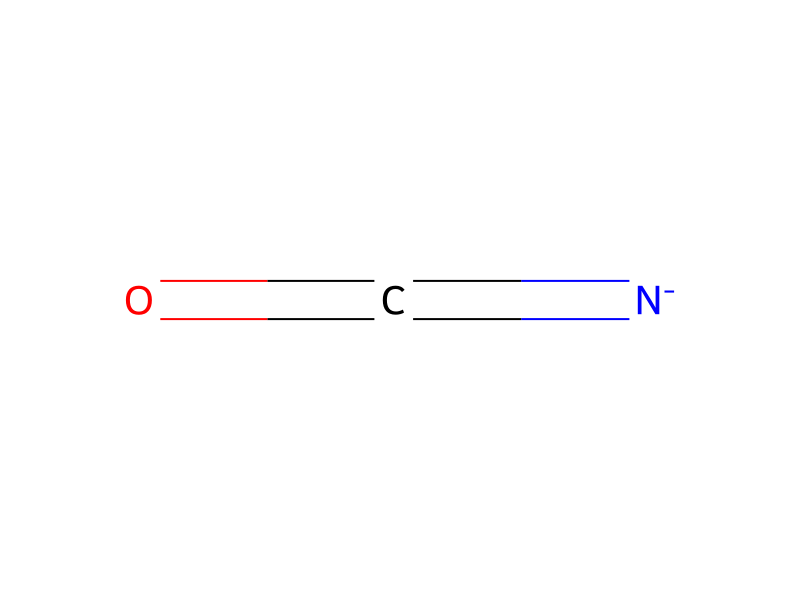
COC1CC(OC)CCC1N.COC1C=C(OC)C=CC=1N.[H][H].C(Cl)(Cl)=O.[CH3:29][O:30][CH:31]1[CH2:36][CH:35]([O:37][CH3:38])[CH2:34][CH2:33][CH:32]1[N:39]=[C:40]=[O:41].[N-]=C=O.[F:45][C:46]1[C:47](=[O:53])[NH:48][C:49](=[O:52])[NH:50][CH:51]=1>[Ru]=O.CO.N1C=CC=CC=1>[CH3:29][O:30][CH:31]1[CH2:36][CH:35]([O:37][CH3:38])[CH2:34][CH2:33][CH:32]1[NH:39][C:40]([N:50]1[CH:51]=[C:46]([F:45])[C:47](=[O:53])[NH:48][C:49]1=[O:52])=[O:41]Participants
Reactant 7






Product 1

Reagents, catalysts & solvents 3



Procedure
The 2, 4-dimethoxycyclohexylamine reduced from 2, 4-dimethoxyaniline by hydrogen at 110 atmospheres over a ruthenium oxide catalyst in methanol was treated with phosgene and 2, 4-dimethoxycyclohexylisocyanate was synthesized. This isocyanate, 9.2 g, was allowed to react with 6.8 g of 5-fluorouracil in 30 ml of pyridine at 90° C. for 2 hr. After evaporating the pyridine, the residue was chromatographed on silica gel and two kinds of isomers, 3.2 and 2.8 g respectively, of 1-(2, 4-dimethoxycyclohexylcarbamoyl)-5-fluorouracil were obtained. Their melting points were 122°-125° C. (Compound No. 10) and 128°-130° C. (Compound No. 11), respectively. NMR: 0.7-2.50 (6H b CH2) 2.65 (H s NHCH) 3.58 (6H s OCH3) 4.10-4.51 (H s CHOCH3) 8.38 (H d C6 --H) 9.50 (H d NHCO) 12.25 (H b N3 --H).
Workup
- customwas synthesized
- customAfter evaporating the pyridine
- customthe residue was chromatographed on silica gel and two kinds of isomers, 3.2 and 2.8 g respectively
Sources & evidence
- ORD record
- ord-8f45c7a16a9e4309943781b439cf8d2b
- Source dataset
- uspto-grants-1985_02
- Patent number
- US04497815
Reaction notes
Loading…