Carbon Tetrachloride → 2-[4-Chloro-3-(2-chlorophenyl)-1H-pyrazol-1-yl]-N,N-dimethylpropanamide
Reaction equation

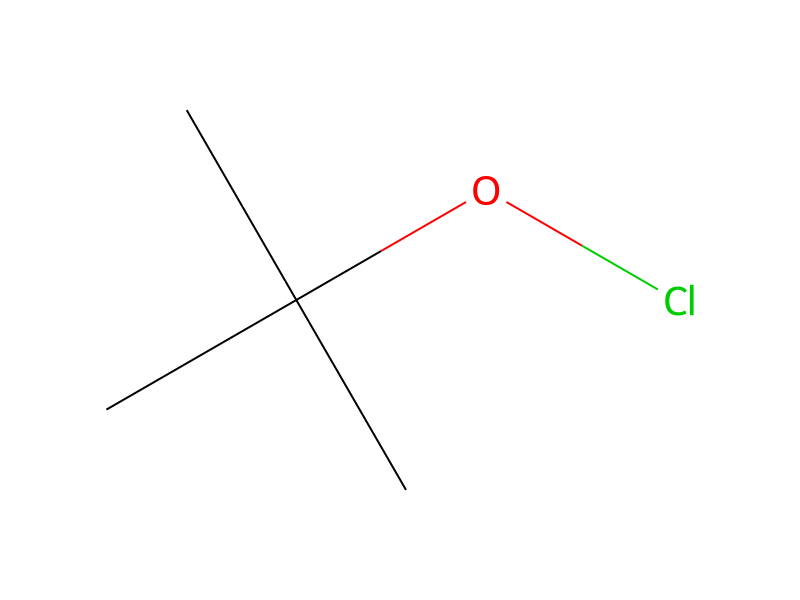
[CH3:1][N:2]([CH3:19])[C:3](=[O:18])[CH:4]([CH3:17])[N:5]1[C:9](C)=[CH:8][C:7]([C:11]2C=[CH:15][CH:14]=[CH:13][CH:12]=2)=[N:6]1.[Cl:20]OC(C)(C)C.BrBr.[C:28]([Cl:32])(Cl)(Cl)Cl>C(O)(=O)C>[Cl:20][C:8]1[C:7]([C:11]2[CH:12]=[CH:13][CH:14]=[CH:15][C:28]=2[Cl:32])=[N:6][N:5]([CH:4]([CH3:17])[C:3]([N:2]([CH3:19])[CH3:1])=[O:18])[CH:9]=1Participants
6
Reactant 4



Product 1

Reagents, catalysts & solvents 1

Procedure
Following the procedure of Example 108, but substituting 3-(o-chlorophenyl)-N,N,α-trimethylpyrazole-1-acetamide for N,N,α,5-tetramethyl-3-phenylpyrazole-1-acetamide, tert-butyl hypochlorite for bromine, and carbon tetrachloride for acetic acid as the reaction solvent, there was obtained 4-chloro-3-(o-chlorophenyl)-N,N,α-trimethylpyrazole-1-acetamide having a melting point of 108°-111° C.
Sources & evidence
- ORD record
- ord-50de529e1eb4478494e7baf97fca8eee
- Source dataset
- uspto-grants-1978_02
- Patent number
- US04072498
Reaction notes
Loading…