Carbon Tetrachloride → HCID 20370601, compound
Reaction equation

[CH3:1][N:2]([CH3:19])[C:3](=[O:18])[CH:4]([CH3:17])[N:5]1[C:9](C)=[CH:8][C:7]([C:11]2[CH:16]=[CH:15][CH:14]=[CH:13][CH:12]=2)=[N:6]1.Cl[O:21][C:22](C)(C)C.BrBr.C(Cl)(Cl)(Cl)[Cl:29]>C(O)(=O)C>[Cl:29][C:8]1[C:7]([C:11]2[CH:16]=[CH:15][CH:14]=[CH:13][C:12]=2[O:21][CH3:22])=[N:6][N:5]([CH:4]([CH3:17])[C:3]([N:2]([CH3:19])[CH3:1])=[O:18])[CH:9]=1Participants
6





Procedure
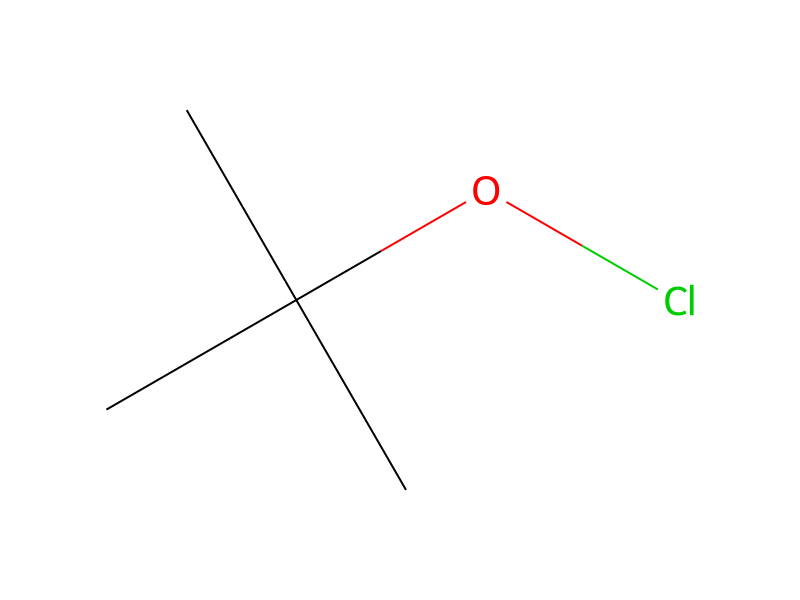
Following the procedure of Example 108, but substituting N,N,α-trimethyl-3-(o-methoxyphenyl)pyrazole-1-acetamide for N,N,α,5-tetramethyl-3-phenylpyrazole-1-acetamide, tert-butyl hypochlorite for bromine, and carbon tetrachloride for acetic acid as the reaction solvent, there was obtained 4-chloro-N,N,α-trimethyl-3-(o-methoxyphenyl)pyrazole-1-acetamide having a melting point of 74°-77° C.
Sources & evidence
- ORD record
- ord-2d34d407622340ccb9f538f8f0ae71b5
- Source dataset
- uspto-grants-1978_02
- Patent number
- US04072498
Reaction notes
Loading…