Sodium Carbonate → 4-(4-Isopropylphenyl)pyridine
Reaction equation

Cl.Br[C:3]1[CH:8]=[CH:7][N:6]=[CH:5][CH:4]=1.[CH:9]([C:12]1[CH:17]=[CH:16][C:15](B(O)O)=[CH:14][CH:13]=1)([CH3:11])[CH3:10].C(=O)([O-])[O-].[Na+].[Na+]>C(#N)C.O>[CH:9]([C:12]1[CH:17]=[CH:16][C:15]([C:3]2[CH:8]=[CH:7][N:6]=[CH:5][CH:4]=2)=[CH:14][CH:13]=1)([CH3:11])[CH3:10]Participants
5
Reactant 3



Product 1

Reagents, catalysts & solvents 1
Procedure
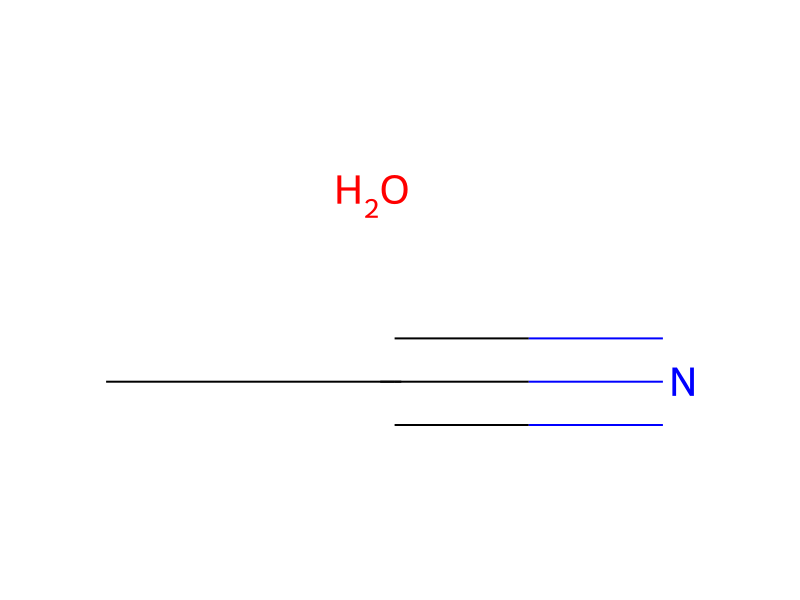
Part A. A solution of 4-bromopyridine hydrochloride (1.0 g, 6.3 mmol) in acetonitrile-water (50 mL/20 mL) is treated with 4-isopropylbenzeneboronic acid (1.04 g, 6.3 mmol) and sodium carbonate (2.1 g, 25.2 mmol). The mixture is degassed twice, and a catalytic quantity of tetrakis(triphenylphosphine)palladium is added. The mixture is heated to reflux for 12 h., then cooled and poured into water (50 mL). The mixture is filtered and extracted with ethyl acetate (3×50 mL). The extracts are combined, washed with brine, dried over magnesium sulfate, filtered and evaporated to afford 1.01 g of sufficiently pure product, 4-(4-isopropyl-phenyl)-pyridine.
Workup
- customThe mixture is degassed twice
- additiona catalytic quantity of tetrakis(triphenylphosphine)palladium is added
- temperatureThe mixture is heated
- temperatureto reflux for 12 h.
- temperaturecooled
- additionpoured into water (50 mL)
- filtrationThe mixture is filtered
- extractionextracted with ethyl acetate (3×50 mL)
- washwashed with brine
- dry with materialdried over magnesium sulfate
- filtrationfiltered
- customevaporated
Sources & evidence
- ORD record
- ord-9ccb15b898d346b8b3265b38e81e11f7
- Source dataset
- uspto-grants-2016_04
- Patent number
- US09315467B2
Reaction notes
Loading…