Sodium Carbonate → 4-Cyano-2-hydroxy-3-methylbenzoic acid
Reaction equation

[CH:1]([C:3]1[CH:10]=[CH:9][C:6]([C:7]#[N:8])=[C:5]([CH3:11])[C:4]=1[OH:12])=[O:2].P([O-])(O)(O)=[O:14].[Na+].Cl([O-])=O.[Na+].C(=O)([O-])[O-].[Na+].[Na+]>CS(C)=O>[C:7]([C:6]1[CH:9]=[CH:10][C:3]([C:1]([OH:14])=[O:2])=[C:4]([OH:12])[C:5]=1[CH3:11])#[N:8]Participants
6

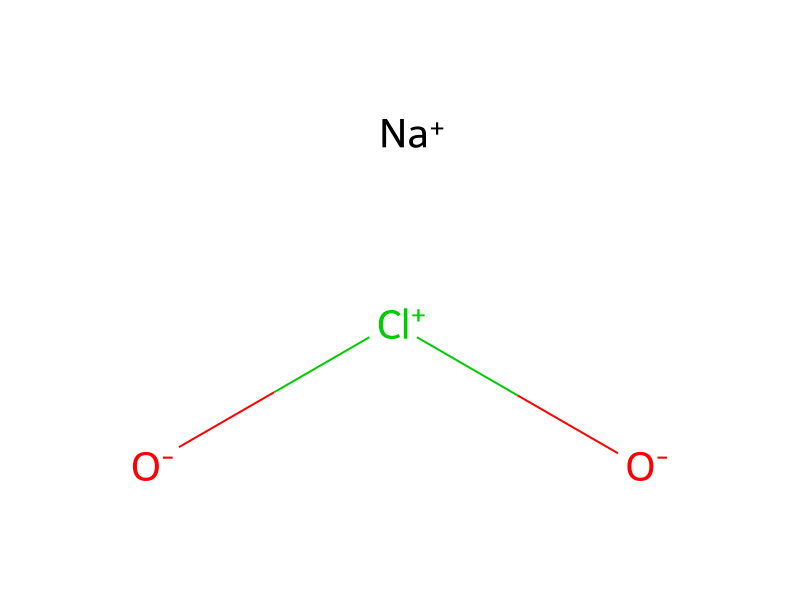



Conditions
- Temperature
- 17 °C
Procedure
To a solution of 4-formyl-3-hydroxy-2-methylbenzonitrile (3.90 g) in DMSO (21.0 mL) were added sodium dihydrogenphosphate (7.26 g) and an aqueous solution (16.0 mL) of sodium chlorite (5.46 g) under ice-cooling, and the mixture was stirred at 17° C. for 16 hr. The reaction mixture was poured into saturated aqueous sodium carbonate solution, and the mixture was extracted with tert-butyl methyl ether. The aqueous layer was acidified with 1N hydrochloric acid, and the mixture was extracted with ethyl acetate. The combined organic layers were dried over anhydrous sodium sulfate, and the solvent was evaporated under reduced pressure to give the title compound (4.00 g: containing DMSO).
Workup
- extractionthe mixture was extracted with tert-butyl methyl ether
- extractionthe mixture was extracted with ethyl acetate
- dry with materialThe combined organic layers were dried over anhydrous sodium sulfate
- customthe solvent was evaporated under reduced pressure
Sources & evidence
- ORD record
- ord-41e05640bb3e42e284e545f831b210ff
- Source dataset
- uspto-grants-2016_04
- Patent number
- US09315458B2
Reaction notes
Loading…