Dicyclohexylcarbodiimide → HCID 70425201, compound
Reaction equation

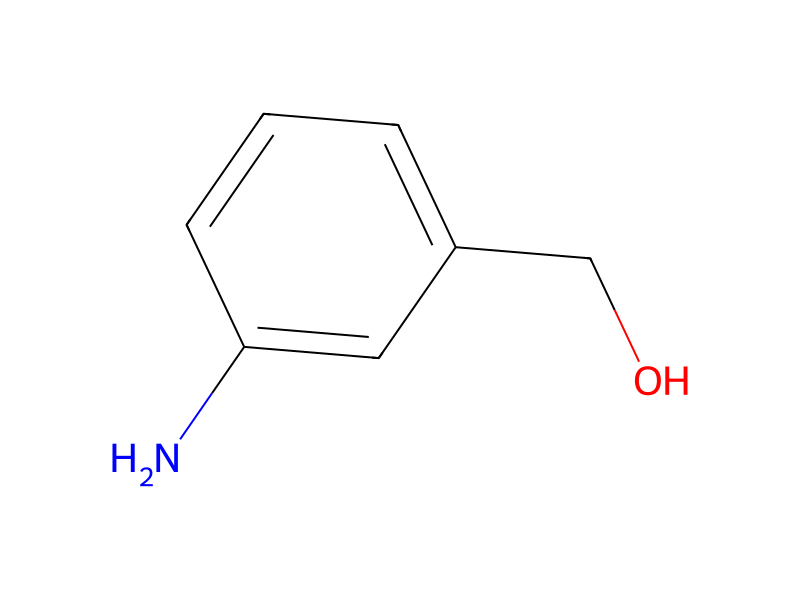
[C:1]([O:5][C:6]([NH:8][C@H:9]([C:17]([OH:19])=O)[CH2:10][C:11]1[CH:16]=[CH:15][CH:14]=[CH:13][CH:12]=1)=[O:7])([CH3:4])([CH3:3])[CH3:2].[NH2:20][C:21]1[CH:22]=[C:23]([CH:26]=[CH:27][CH:28]=1)[CH2:24][OH:25].C1(N=C=NC2CCCCC2)CCCCC1>ClCCl>[C:1]([O:5][C:6]([NH:8][C@H:9]([C:17]([CH:24]([OH:25])[C:23]1[CH:26]=[CH:27][CH:28]=[C:21]([NH2:20])[CH:22]=1)=[O:19])[CH2:10][C:11]1[CH:12]=[CH:13][CH:14]=[CH:15][CH:16]=1)=[O:7])([CH3:2])([CH3:3])[CH3:4]Participants
Reactant 3


Product 1

Reagents, catalysts & solvents 1

Procedure
N-t-butyloxycarbonylphenylalanine (1.00 g, 3.8 mmole) is dissolved in 4 ml of dichloromethane, in which is then suspended m-aminobenzyl alcohol. The cooled mixture is treated with 0.78 g (3.8 mmole) of dicyclohexylcarbodiimide for 12 to 24 hours. Dicyclohexylurea is removed by filtration, using an ethyl acetate wash. The filtrate is extracted three times with saturated aqueous potassium bisulfate, three times with aqueous potassium bicarbonate, and once with brine. The organic layer is dried over magnesium sulfate, filtered, and blown dry under flowing nitrogen. Column chromatography using silica gel and chloroform eluent produces, after removal of solvent, 1.19 g (3.2 mmole) of pure product. Structure assignment is supported by elemental analysis (C,H,N).
Workup
- customDicyclohexylurea is removed by filtration
- washwash
- extractionThe filtrate is extracted three times with saturated aqueous potassium bisulfate, three times with aqueous potassium bicarbonate
- dry with materialThe organic layer is dried over magnesium sulfate
- filtrationfiltered
- customblown dry under flowing nitrogen
- customproduces
Sources & evidence
- ORD record
- ord-46423b5edd1c4068a29e0704e690f161
- Source dataset
- uspto-grants-1983_10
- Patent number
- US04407746
Reaction notes
Loading…