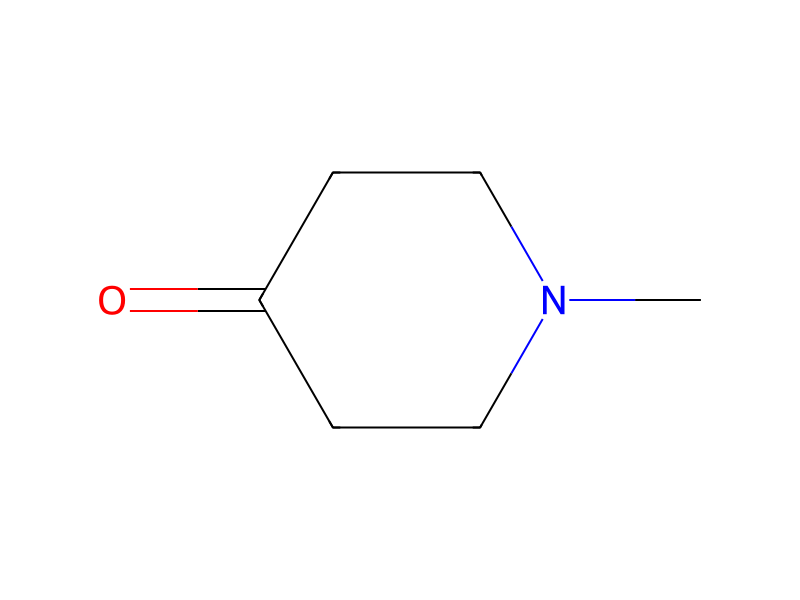
1-Methyl-4-piperidone → 9-Methyl-1-phenyl-7,8,9,10-tetrahydrothieno[3,2-e]pyrido[4,3-b]indole
Reaction equation

Cl.[NH:2]([C:4]1[CH:5]=[CH:6][C:7]2[S:11][CH:10]=[C:9]([C:12]3[CH:17]=[CH:16][CH:15]=[CH:14][CH:13]=3)[C:8]=2[CH:18]=1)N.[CH3:19][N:20]1[CH2:25][CH2:24][C:23](=O)[CH2:22][CH2:21]1>>[CH3:19][N:20]1[CH2:25][CH2:24][C:23]2[NH:2][C:4]3[C:18]([C:22]=2[CH2:21]1)=[C:8]1[C:9]([C:12]2[CH:17]=[CH:16][CH:15]=[CH:14][CH:13]=2)=[CH:10][S:11][C:7]1=[CH:6][CH:5]=3Participants
3


Procedure
The compound is formed analogously to that described in Example 5, from 14 g of 5-hydrazino-3-phenylbenzothiophene hydrochloride and 6.2 g of 1-methyl-4-piperidone. Melting point: >250° C. (decomposition)
Workup
- customThe compound is formed analogously to
Sources & evidence
- ORD record
- ord-cd3fb8c4e5cd451aa9f0c6188ef08397
- Source dataset
- uspto-grants-1983_10
- Patent number
- US04410536
Reaction notes
Loading…