Dimethylamine → 3-Fluoro-4,5-bis(phenylmethoxy)benzeneacetonitrile
Reaction equation

[CH2:1](C#N)[C:2]1[CH:7]=[CH:6][CH:5]=[CH:4][CH:3]=1.[F:10][C:11]1[CH:16]=[CH:15][CH:14]=[C:13](OC)[C:12]=1[OH:19].[CH2:20]=[O:21].CNC.CN(CC1C=C(F)C(O)=C(OC)C=1)C.C(N)[C:40]1[CH:45]=[CH:44][CH:43]=[CH:42][CH:41]=1.CI.[C-:49]#[N:50].[Na+].B(Br)(Br)Br.OC1C=C(C=C(F)C=1O)CC#N.C1(C(=CC=CC=1)O)O.[CH2:76](Cl)C1C=CC=CC=1>>[CH2:20]([O:21][C:13]1[CH:14]=[C:15]([CH:16]=[C:11]([F:10])[C:12]=1[O:19][CH2:1][C:2]1[CH:3]=[CH:4][CH:5]=[CH:6][CH:7]=1)[CH2:76][C:49]#[N:50])[C:40]1[CH:45]=[CH:44][CH:43]=[CH:42][CH:41]=1Participants
Reactant 11
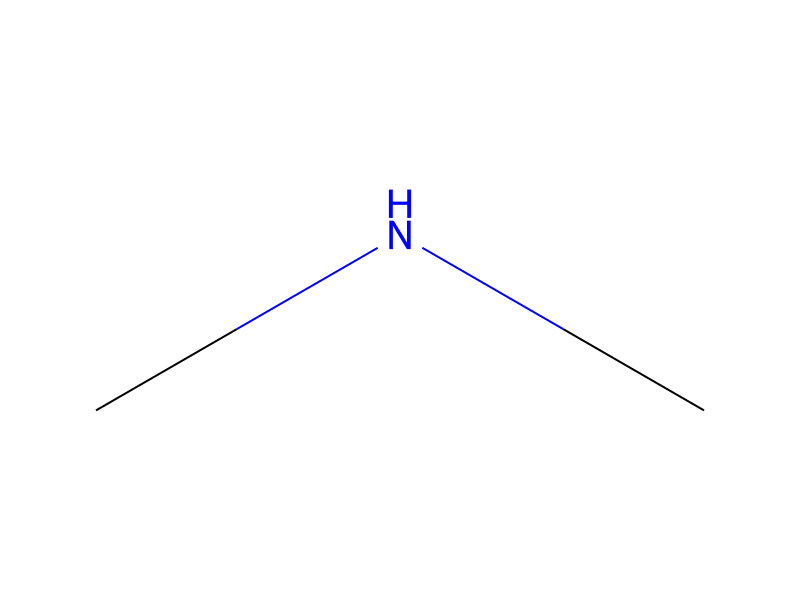 HCID 674Dimethylamine
 HCID 712Formaldehyde
 HCID 6328Methyl iodide
 HCID 7503Benzyl Chloride
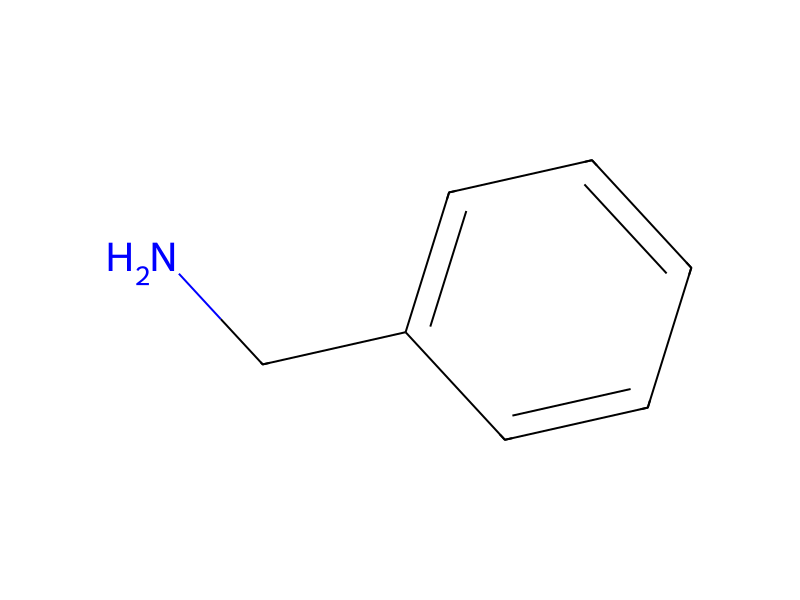 HCID 7504Benzylamine
 HCID 8794Phenylacetonitrile
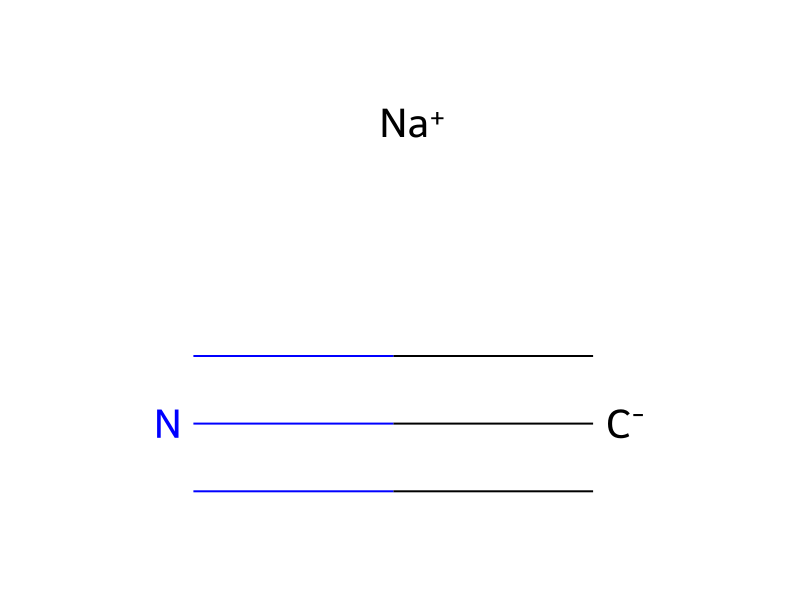 HCID 8929Sodium Cyanide
 HCID 25134Boron tribromide
 HCID 27373672-Fluoro-6-methoxyphenol
 HCID 137206994-[(Dimethylamino)methyl]-2-fluoro-6-methoxyphenol
 HCID 20029186HCID 20029186, compound
Product 1

Procedure
The intermediate benzylcyanide compound of the formula 12 above, according to the present invention, may be prepared by converting a 2-fluoro-6-methoxyphenol compound of the formula 13 ##STR11## under aminomethylation conditions, with formaldehyde and N,N-dimethylamine, into the N,N-dimethyl-4-hydroxy-3-methoxy-5-fluorobenzylamine compound of the formula 14 ##STR12## The benzylamine compound of the formula 14, by treatment with methyliodide and displacement with NaCN, is converted into the 3-methoxy-4-hydroxy-5-fluorobenzylnitrile compound of formula 15 ##STR13## The benzylnitrile compound of the formula 15 is treated with BBr3, followed by dibenzylation of the catechol 3,4-dihydroxy-5-fluorobenzylcyanide compound of the formula 16 ##STR14## with benzylchloride to give the 3,4-dibenzyloxy-5-fluorobenzylcyanide compound of the formula 12 ##STR15##
Workup
- custommay be prepared
Sources & evidence
- ORD record
- ord-1cd2851ee8cb41e4ab4ffd625ee13c3c
- Source dataset
- uspto-grants-1988_04
- Patent number
- US04737504
Reaction notes
Loading…