Acetic Acid → HCID 11138055, compound
Reaction equation

[C:1](O)(=O)[CH3:2].[C:5](O)(=O)[CH2:6]C.[Cl:10][CH:11]([Cl:15])[C:12]([OH:14])=[O:13].[CH:16](O)=O>>[Cl:10][CH:11]([Cl:15])[C:12]([O:14][CH2:5][CH:6]=[C:1]([CH3:2])[CH3:16])=[O:13]Participants
5




Procedure
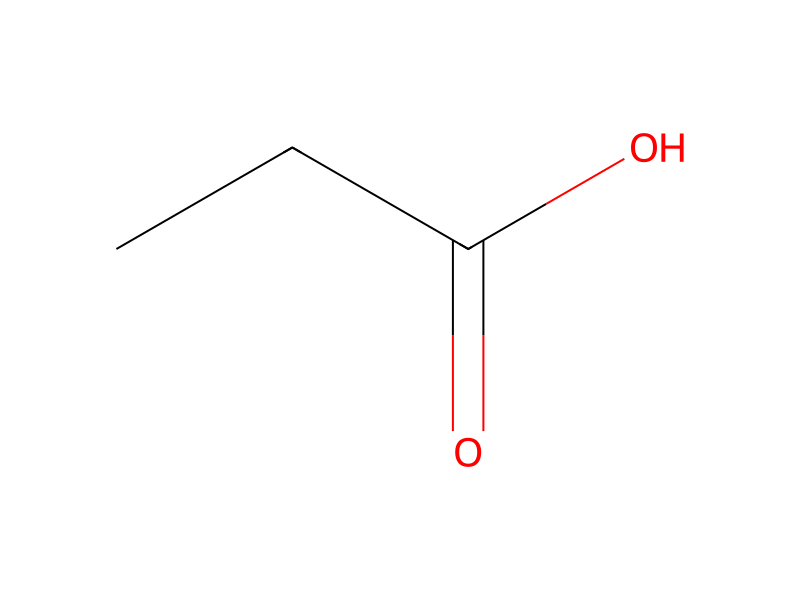
This reaction fails for acetic acid (Ka=1.75×10⁻⁵), propionic acid (Ka=1.34×10⁻⁵), et al., and is even quite slow when one uses formic acid (Ka=1.77×10⁻⁴). In contrast, the use of dichloroacetic acid (Ka=5.53×10⁻²) in molar excess in the above reaction results in a moderate yield of the corresponding prenyl ester (7), prenyl dichloroacetate. Once the ester (7) is obtained, it can be readily saponified using sodium carbonate, sodium hydroxide, potassium carbonate et al., in aqueous alcohol at room temperature to yield prenyl alcohol (2).
Sources & evidence
- ORD record
- ord-e0132dad43914995bb925e31281396b5
- Source dataset
- uspto-grants-2001_08
- Patent number
- US06278016B1
Reaction notes
Loading…