Ammonia → N-[5-chloro-4-(pyridin-3-yl)-thiazol-2-yl]-formamide
Reaction equation

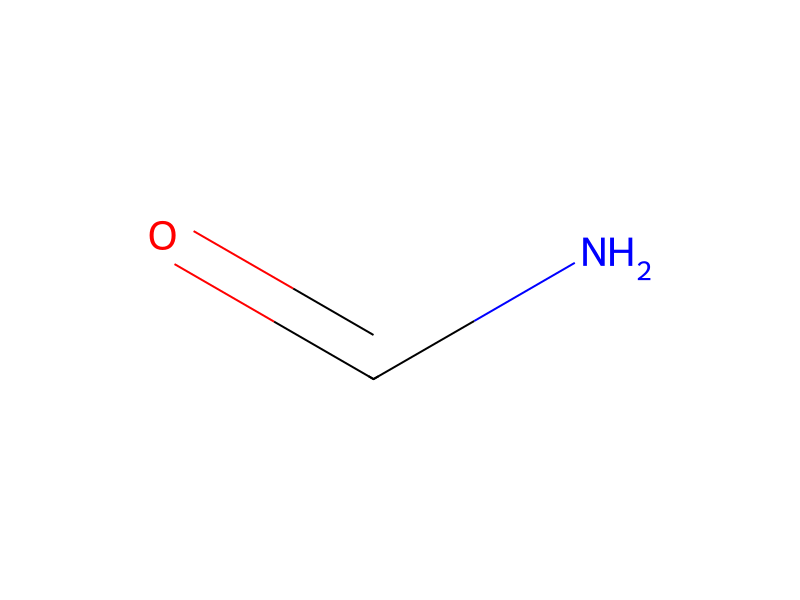
[Cl:1][C:2]1[S:6][C:5]([NH2:7])=[N:4][C:3]=1[C:8]1[CH:9]=[N:10][CH:11]=[CH:12][CH:13]=1.[CH:14](N)=[O:15].N>C(O)=O.O>[Cl:1][C:2]1[S:6][C:5]([NH:7][CH:14]=[O:15])=[N:4][C:3]=1[C:8]1[CH:9]=[N:10][CH:11]=[CH:12][CH:13]=1Participants
6
Reactant 3


Product 1

Reagents, catalysts & solvents 2


Procedure
5-Chloro-4-(pyridin-3-yl)-thiazol-2-amine (20 g) was dissolved in formic acid (40 ml) and formamide (20 ml) and the mixture was heated at 90° C. for six hours. After cooling, the mixture was diluted with water (240 ml) and basified with aqueous ammonia solution. The resulting solid was isolated by filtration, and dried in vacuo at 60° C. to give N-[5-chloro-4-(pyridin-3-yl)-thiazol-2-yl]-formamide, (22,8 g) Mp 229° C.
Workup
- temperatureAfter cooling
- customThe resulting solid was isolated by filtration
- customdried in vacuo at 60° C.
Sources & evidence
- ORD record
- ord-bf864bc52ac2402189d39aa308c9e9d2
- Source dataset
- uspto-grants-1992_07
- Patent number
- US05128340
Reaction notes
Loading…