Phenol → N-Benzylpyrrolo[3,2-c]cinnoline
Reaction equation

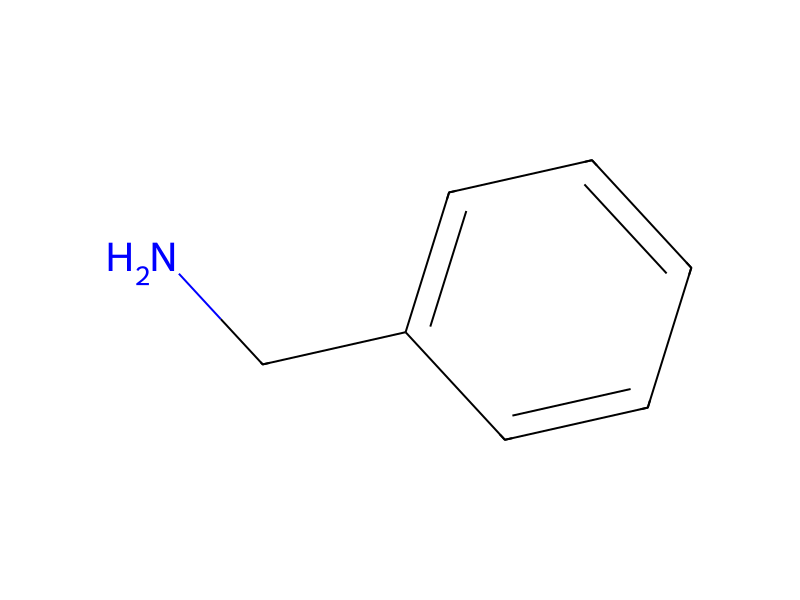
Cl[CH2:2][CH2:3][C:4]1[N:5]=[N:6][C:7]2[C:12]([C:13]=1Cl)=[CH:11][CH:10]=[CH:9][CH:8]=2.[CH2:15]([NH2:22])[C:16]1[CH:21]=[CH:20][CH:19]=[CH:18][CH:17]=1.C1(O)C=CC=CC=1>C(Cl)(Cl)Cl>[CH2:15]([N:22]1[C:13]2[C:12]3[CH:11]=[CH:10][CH:9]=[CH:8][C:7]=3[N:6]=[N:5][C:4]=2[CH:3]=[CH:2]1)[C:16]1[CH:21]=[CH:20][CH:19]=[CH:18][CH:17]=1Participants
Reactant 3


Product 1

Reagents, catalysts & solvents 1

Procedure
3-(2-Chloroethyl)-4-chlorocinnoline (2 g, 0.0088 mol), benzylamine (4 g, 0.037 mol) and phenol (2 g, 0.0212 mol) were heated in an oil bath at 160° for 20 hours. The reaction had not gone to completion so the temperature was raised to 190° for a further 6 hours. The reaction mixture was dissolved in chloroform (300 ml) and extracted with 2N sodium hydroxide (3×100 ml). The chloroform extracts were washed with water (100 ml), dried over magnesium sulphate, filtered and evaporated under reduced pressure to give an oil. The oil was purified by chromatography using chloroform as eluant. The fractions containing the product were combined and evaporated to dryness to give a brown solid. Recrystallization from isopropyl alcohol gave the title compound, 0.5 g, m.p. 190-192°.
Workup
- temperaturewas raised to 190° for a further 6 hours
- extractionextracted with 2N sodium hydroxide (3×100 ml)
- washThe chloroform extracts were washed with water (100 ml)
- dry with materialdried over magnesium sulphate
- filtrationfiltered
- customevaporated under reduced pressure
- customto give an oil
- customThe oil was purified by chromatography
- additionThe fractions containing the product
- customevaporated to dryness
- customto give a brown solid
- customRecrystallization from isopropyl alcohol
Sources & evidence
- ORD record
- ord-f28e97e928a049afbcb1f7ec23971dfa
- Source dataset
- uspto-grants-1991_01
- Patent number
- US04988695
Reaction notes
Loading…