Glycine → HCID 24780837, compound
Reaction equation

C(O[C:6]([C:8]1[N:9]=[C:10]([C:20]#[N:21])[C:11]2[C:16]([C:17]=1[OH:18])=[CH:15][C:14]([Cl:19])=[CH:13][CH:12]=2)=[O:7])CCC.[NH2:22][CH2:23][C:24]([OH:26])=[O:25]>C[O-].[Na+].CO>[Cl:19][C:14]1[CH:15]=[C:16]2[C:11](=[CH:12][CH:13]=1)[C:10]([C:20]#[N:21])=[N:9][C:8]([C:6]([NH:22][CH2:23][C:24]([OH:26])=[O:25])=[O:7])=[C:17]2[OH:18]Participants
4
Reactant 2
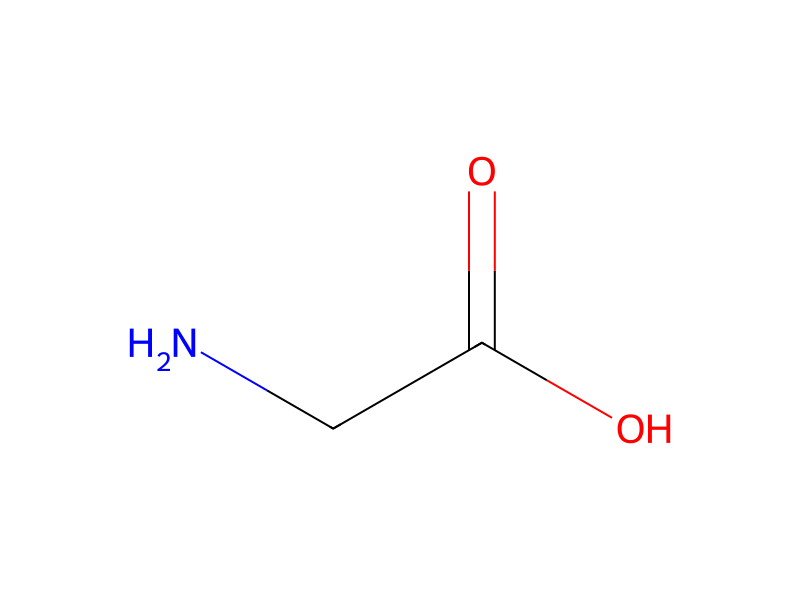

Product 1

Reagents, catalysts & solvents 1

Procedure
A mixture of 6-chloro-1-cyano-4-hydroxy-isoquinoline-3-carboxylic acid butyl ester (99 mg, 0.33 mmol) and glycine (1.84 g, 24.49 mmol) in 0.5 M sodium methoxide/methanol (32.6 mL) was refluxed for twenty-one hours before it was cooled to room temperature and concentrated in vacuo. The residue was dissolved in water (40 mL) and the solution washed with dichloromethane (3×50 mL). The remaining aqueous layer was acidified to pH=3 with 1N HCl. The suspension was extracted with ethyl acetate (50 mL). The organic layer was dried over anhydrous sodium sulfate and concentrated in vacuo to give the title compound as a white solid (84 mg): MS: (+) m/z 306.27 (M+1); (−) m/z 304.26 (M−1).
Workup
- temperaturewas refluxed for twenty-one hours before it
- concentrationconcentrated in vacuo
- dissolutionThe residue was dissolved in water (40 mL)
- washthe solution washed with dichloromethane (3×50 mL)
- extractionThe suspension was extracted with ethyl acetate (50 mL)
- dry with materialThe organic layer was dried over anhydrous sodium sulfate
- concentrationconcentrated in vacuo
Sources & evidence
- ORD record
- ord-c8f4785fcf0a4c36a3b48389376907cd
- Source dataset
- uspto-grants-2015_11
- Patent number
- US09174976B2
Reaction notes
Loading…