8-Hydroxy-5,6,7,8-tetrahydroquinoline → 6,7-Dihydro-5H-quinoline-8-one
Reaction equation

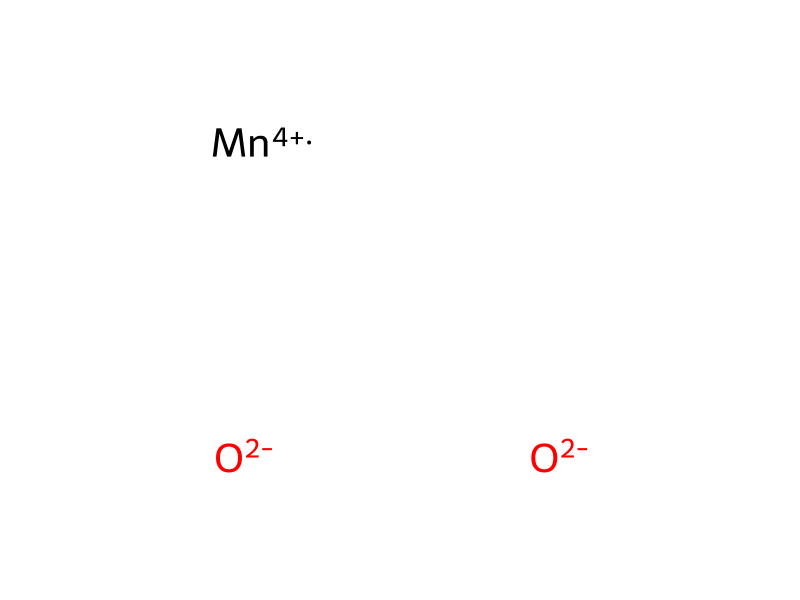
[OH:1][CH:2]1[C:11]2[N:10]=[CH:9][CH:8]=[CH:7][C:6]=2[CH2:5][CH2:4][CH2:3]1>C(Cl)Cl.[O-2].[O-2].[Mn+4]>[OH:1][CH:2]1[C:11]2[N:10]=[CH:9][CH:8]=[CH:7][C:6]=2[CH2:5][CH2:4][CH2:3]1.[N:10]1[C:11]2[C:2](=[O:1])[CH2:3][CH2:4][CH2:5][C:6]=2[CH:7]=[CH:8][CH:9]=1Participants



Procedure
8-hydroxy-5,6,7,8-tetrahydroquinoline was prepared as described in Bridger et al. PCT International Application PCT/CA00/00321. To a stirred solution of 8-hydroxy-5,6,7,8-tetrahydroquinoline (1.37 g, 9.18 mmol) in dry CH2Cl2 (50 mL) was added activated manganese dioxide (85% purity, 7.51 g, 73.5 mmol) in one portion. The resulting heterogeneous mixture was stirred vigorously for 4 days, at which point the black slurry was filtered through a cake of celite and washed with CH2Cl2 (3×50 mL). The combined filtrates were concentrated to afford 1.15 g (85%) of the title compound as an off-white solid. This material was used directly in subsequent steps without further purification. 1H NMR (CDCl3) □ 2.17–2.25 (m, 2H), 2.82 (t, 2H, J=6 Hz), 3.04 (t, 2H, J=6 Hz), 7.39 (dd, 1H, J=9, 5 Hz), 7.66 (dt, 1H, J=9, 1 Hz), 8.71 (dd, 1H, J=5, 1 Hz); 13C NMR (CDCl3) □ 22.2, 28.6, 39.2, 126.6, 137.3, 140.4, 147.6, 148.6, 196.5.
Workup
- filtrationwas filtered through a cake of celite
- washwashed with CH2Cl2 (3×50 mL)
- concentrationThe combined filtrates were concentrated
Sources & evidence
- ORD record
- ord-a5aedd732142427e9c1f6c658953ff73
- Source dataset
- uspto-grants-2006_08
- Patent number
- US07084155B2
Reaction notes
Loading…