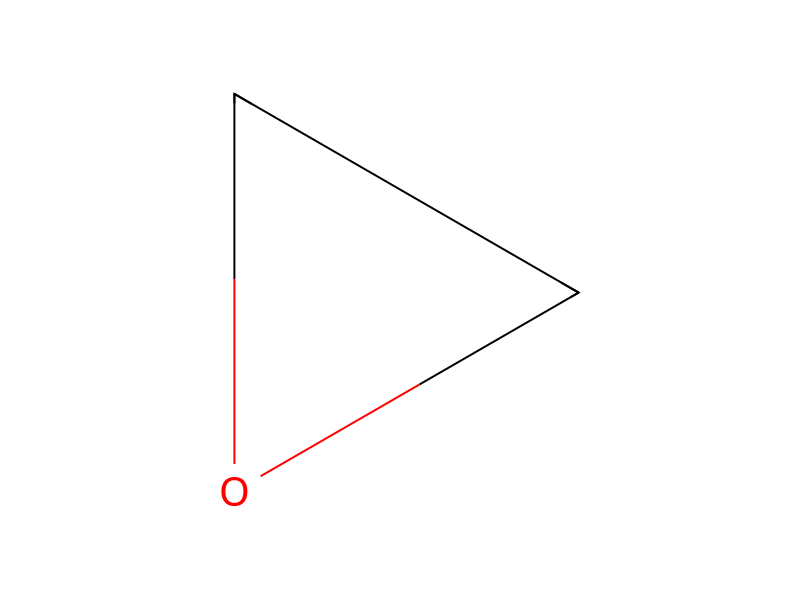
4-Benzyloxyaniline → Ethylene Oxide
Reaction equation

[CH2:1]([O:8][C:9]1[CH:15]=[CH:14][C:12]([NH2:13])=[CH:11][CH:10]=1)[C:2]1[CH:7]=[CH:6][CH:5]=[CH:4][CH:3]=1>[Fe].CC(O)=O.[Pd]>[CH2:1]([O:8][C:9]1[CH:10]=[CH:11][C:12]([NH2:13])=[CH:14][CH:15]=1)[C:2]1[CH:3]=[CH:4][CH:5]=[CH:6][CH:7]=1.[CH2:9]1[O:8][CH2:15]1Participants
5

Reagents, catalysts & solvents 2


Procedure
Phenol N-mustard is synthesized by to known procedures with modification. Scheme 4 shows the synthetic route for phenol mustard. Treatment of 4-nitrophenol (20) with benzyl chloride or 4-fluoro-1-nitrobenzene (22) with benzyl alcohol in the presence of base (such as NaOH, KOH, Na2CO3, K2CO3 or organic base) gives compound 21, which is converted into 4-benzyloxyaniline (23) by reduction (Fe/CH3COOH or Pd/C, H2). Treatment of 23 with ethylene oxide affords 4-N,N-bis(2-hydroxyethyl)aminophenyl benzyl ether 24.37
Sources & evidence
- ORD record
- ord-9017b2522c8e4f81a72a1055ccaaa2d7
- Source dataset
- uspto-grants-2015_11
- Patent number
- US09193687B2
Reaction notes
Loading…