4-Hydroxybenzoic Acid → 648422-76-8
Reaction equation

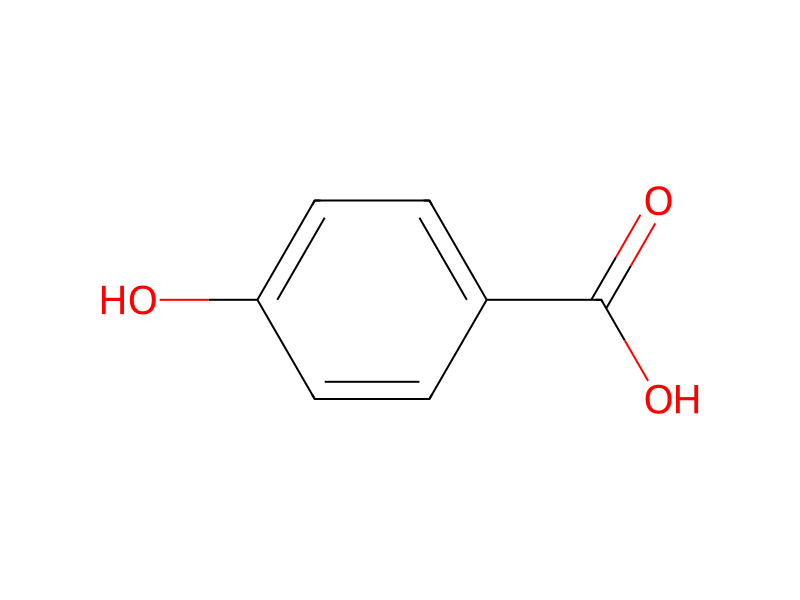
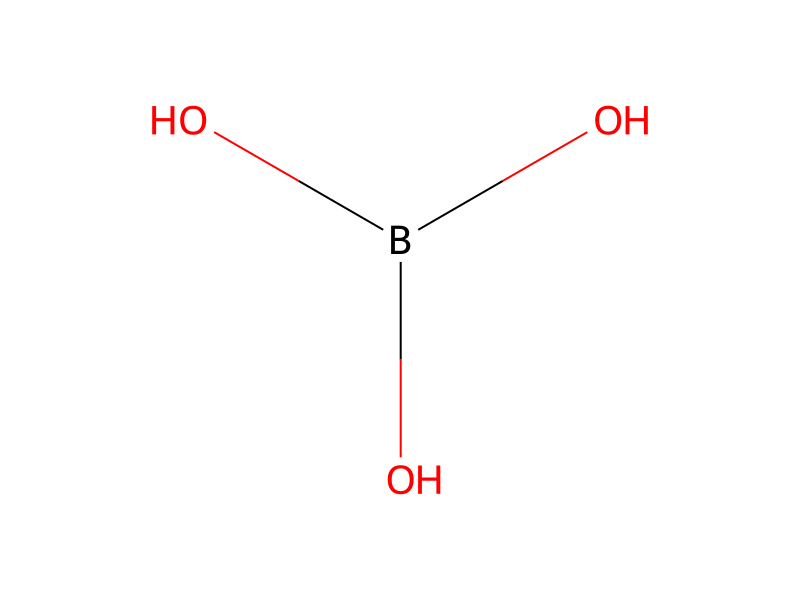
O.[NH2:2][C:3]1[CH:8]=[C:7]([C:9]([CH3:13])([CH3:12])[CH2:10][CH3:11])[CH:6]=[CH:5][C:4]=1[OH:14].[OH:15][C:16]1[CH:24]=[CH:23][C:19]([C:20](O)=O)=[CH:18][CH:17]=1.B(O)(O)O>ClC1C=CC=CC=1Cl>[CH3:12][C:9]([C:7]1[CH:6]=[CH:5][C:4]2[O:14][C:20]([C:19]3[CH:23]=[CH:24][C:16]([OH:15])=[CH:17][CH:18]=3)=[N:2][C:3]=2[CH:8]=1)([CH3:13])[CH2:10][CH3:11]Participants
6
Reactant 4


Product 1

Reagents, catalysts & solvents 1

Procedure
A 350 ml three necked reaction flask, equipped with a mechanical stirrer, a thermometer a “wood metal” heating bath and a reflux condenser combined with a water separator were charged with 25.1 g (140 mmol) of 2-amino-4-(1,1-dimethyl-propyl)-phenol (see above), 19.3 g (140 mmol) of 4-hydroxy benzoic acid and 1.5 g of boric acid suspended in 140 ml of 1,2-dichlorobenzene under nitrogen atmosphere. This mixture was refluxed until two equivalents of water had separated (about 4 hours). When cold, 50 ml of diisopropylether were added and this mixture was filtered and the crystalline product was washed with diisopropylether and pentane and dried. 32.1 g (81%) of the product were obtained. M.p. 236-237° C.
Workup
- temperaturea thermometer a “wood metal” heating bath and a reflux condenser
- customhad separated (about 4 hours)
- additionWhen cold, 50 ml of diisopropylether were added
- filtrationthis mixture was filtered
- washthe crystalline product was washed with diisopropylether and pentane
- customdried
Sources & evidence
- ORD record
- ord-c027ee709fac4a838a7b3ef6f1a06eef
- Source dataset
- uspto-grants-2014_09
- Patent number
- US08828365B2
Reaction notes
Loading…