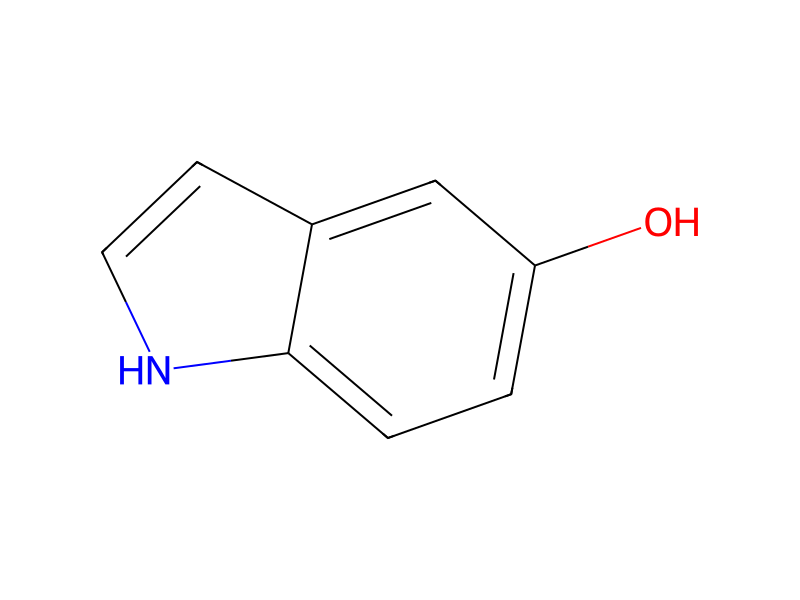
5-Hydroxyindole → HCID 470692, compound
Reaction equation

[Cl:1][C:2]1[CH:3]=[CH:4][C:5]2[N:6]([CH3:22])[C:7](=[O:21])[C:8]3[CH:18]=[C:17]([CH2:19]Cl)[CH:16]=[N:15][C:9]=3[N:10]([CH2:13][CH3:14])[C:11]=2[N:12]=1.[OH:23][C:24]1[CH:25]=[C:26]2[C:30](=[CH:31][CH:32]=1)[NH:29][CH:28]=[CH:27]2>>[Cl:1][C:2]1[CH:3]=[CH:4][C:5]2[N:6]([CH3:22])[C:7](=[O:21])[C:8]3[CH:18]=[C:17]([CH2:19][O:23][C:24]4[CH:25]=[C:26]5[C:30](=[CH:31][CH:32]=4)[NH:29][CH:28]=[CH:27]5)[CH:16]=[N:15][C:9]=3[N:10]([CH2:13][CH3:14])[C:11]=2[N:12]=1Participants
3


Procedure
Using a procedure analogous to that described in Example 98, the title compound, m.p. 176°-178° C., was prepared from 2-chloro-8-chloromethyl-5,11-dihydro-11-ethyl-5-methyl-6H-dipyrido[3,2-b:2',3'-e][1,4]diazepin-6-one and 5-hydroxyindole. The yield was 22% of theory.
Sources & evidence
- ORD record
- ord-f077a831285e43c185d34f2664b2f13e
- Source dataset
- uspto-grants-1998_01
- Patent number
- US05705499
Reaction notes
Loading…