Triethyl phosphite → HCID 53826277, compound
Reaction equation

[CH3:1][O:2][C:3]1[CH:4]=[C:5]2[C:10](=[CH:11][C:12]=1[O:13][CH3:14])[N:9]=[C:8]([CH3:15])[C:7]([CH2:16]Cl)=[CH:6]2.[CH2:18]([O:20][P:21]([O:25]CC)[O:22][CH2:23][CH3:24])[CH3:19]>>[CH2:18]([O:20][P:21]([CH2:16][C:7]1[C:8]([CH3:15])=[N:9][C:10]2[C:5]([CH:6]=1)=[CH:4][C:3]([O:2][CH3:1])=[C:12]([O:13][CH3:14])[CH:11]=2)([O:22][CH2:23][CH3:24])=[O:25])[CH3:19]Participants
3
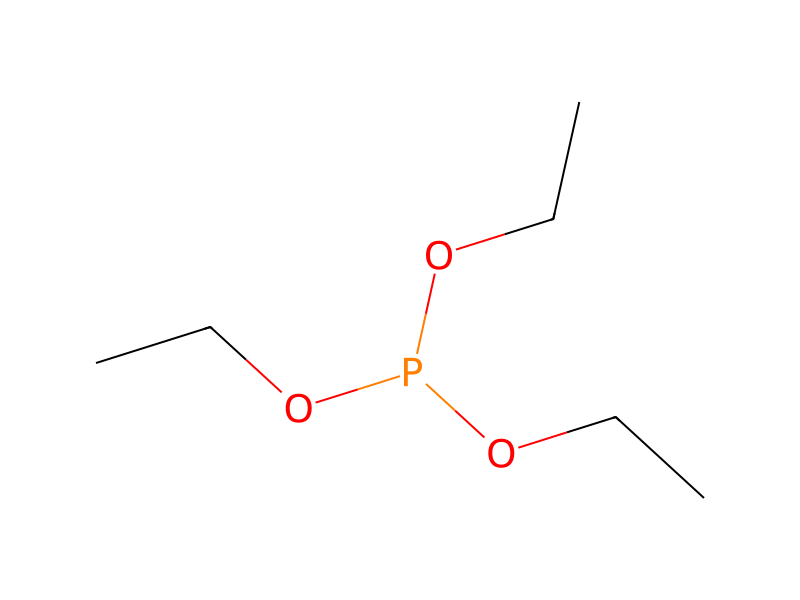


Conditions
- Temperature
- 160 °C
Procedure
A mixture of 6,7-dimethoxy-3-chloromethyl-2-methylquinoline (2.48 g, 9.9 mmol) and triethylphosphite (6 ml) was heated at 160° C. for 4 h and cooled to room temperature. Excess triethylphosphite was removed by extraction with hexane and the remaining dark oil was purified by chromatography to give 3.50 g 3-(diethylphosphonomethyl)-6,7-dimethoxy-2-methylquinoline.
Workup
- temperaturecooled to room temperature
- customExcess triethylphosphite was removed by extraction with hexane
- customthe remaining dark oil was purified by chromatography
Sources & evidence
- ORD record
- ord-f7b0918c8b974d39bfc5db962561d27a
- Source dataset
- uspto-grants-1998_01
- Patent number
- US05710139
Reaction notes
Loading…