1,2-Diethenylbenzene → Tetraisopropyl methylenediphosphonate
Reaction equation

C(C1C=CC=CC=1C=C)=C.[CH2:11]([P:22](=[O:31])([O:27][CH:28]([CH3:30])[CH3:29])[O:23][CH:24]([CH3:26])[CH3:25])[P:12](=[O:21])([O:17][CH:18]([CH3:20])[CH3:19])[O:13][CH:14]([CH3:16])[CH3:15].[Na].[P]>C1(C)C=CC=CC=1>[CH2:11]([P:12](=[O:21])([O:13][CH:14]([CH3:16])[CH3:15])[O:17][CH:18]([CH3:20])[CH3:19])[P:22](=[O:31])([O:27][CH:28]([CH3:29])[CH3:30])[O:23][CH:24]([CH3:26])[CH3:25]Participants
5
Reactant 3
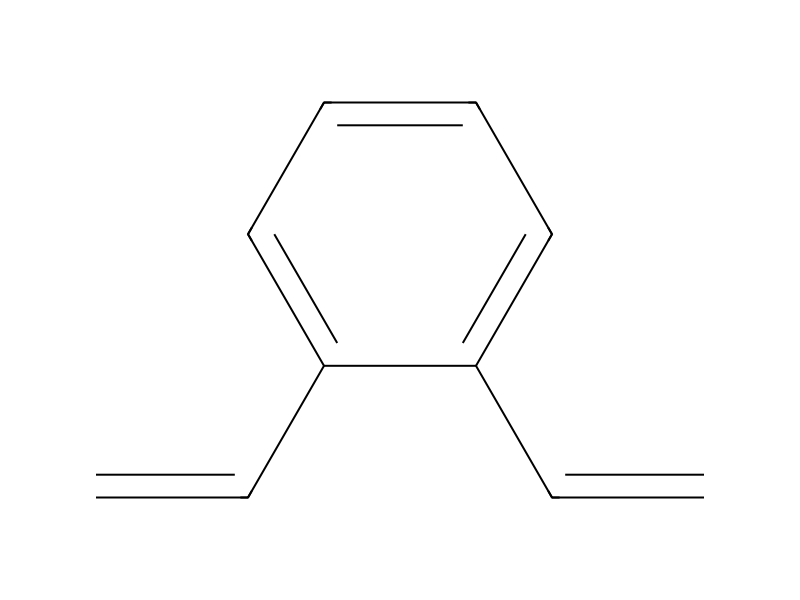


Product 1
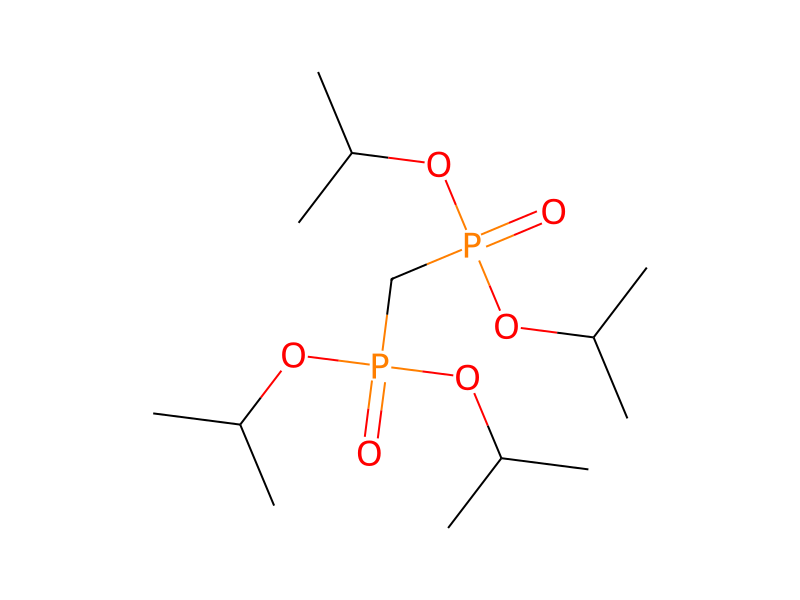
Reagents, catalysts & solvents 1

Procedure
Insoluble, cross-linked copolymer beads (70.7 g) obtained by suspension polymerization of 90.5 weight percent vinylbenzyl chloride, 2.0 weight percent divinylbenzene, and 0.5 weight percent benzoyl peroxide (with the ethylstyrenes present in the technical grade divinylbenzene) were placed in a three neck found bottom flash and preswollen with 500 mL of toluene for two hours at room temperature. To this flask, a solution of sodium tetraisopropyl methylenediphosphonate, prepared as in Example 1, was added. The mixture was reacted at reflux for 20 hours. After that time, beads were separated and washed with toluene, and dried. The polymer contained 3.34 mmol of phosphorus/g of dry weight as determined by elemental analysis.
Workup
- customfor two hours
- customat room temperature
- additionwas added
- customThe mixture was reacted
- temperatureat reflux for 20 hours
- customAfter that time, beads were separated
- washwashed with toluene
- customdried
Sources & evidence
- ORD record
- ord-f91723fec8e5405dacfed4a47f0fab72
- Source dataset
- uspto-grants-1998_01
- Patent number
- US05712347
Reaction notes
Loading…