Acrolein → HCID 14631421, compound
Reaction equation

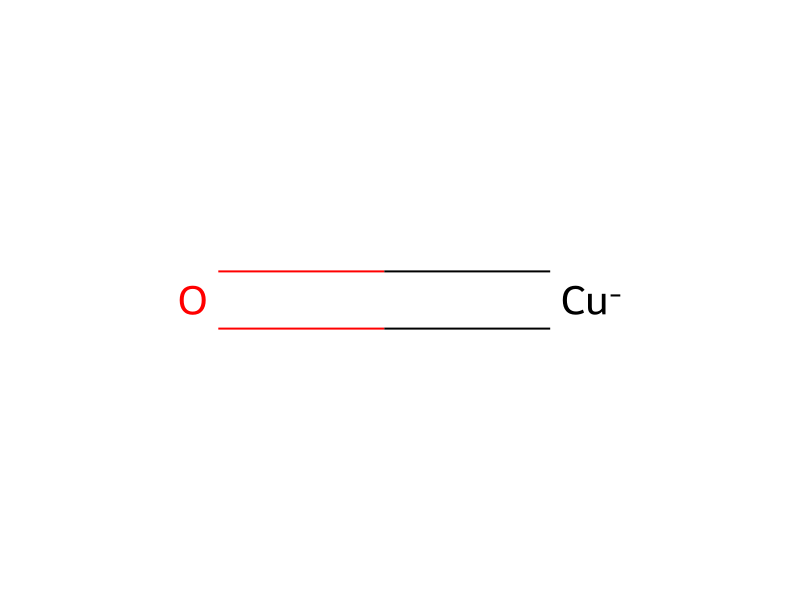
[CH2:1]([O:3][C:4](=[O:8])[CH2:5][N+:6]#[C-:7])[CH3:2].[CH:9]([CH:11]=[CH2:12])=[O:10]>C1C=CC=CC=1.[Cu-]=O>[CH2:1]([O:3][C:4]([CH:5]1[CH:9]([CH:11]=[CH2:12])[O:10][CH:7]=[N:6]1)=[O:8])[CH3:2]Participants
Reactant 2


Product 1

Reagents, catalysts & solvents 2

Procedure
1.6 g of red copper(I) oxide are added to 200 ml of benzene. With intensivestirring, a solution of 140 g of isocyanoacetic acid ethyl ester and 84 g of freshly distilled acrolein in 200 ml of benzene are added dropwise to this suspension within a period of 10 minutes. During the course of this addition the reaction temperature is maintained between 30° and 32° by cooling with ice. When the addition is complete the mixture is maintained at 30°-32° until the exothermic reaction has subsided, and then the whole is stirred for 1 hour at room temperature. After excess copper(I) oxide has been removed by filtration, the filtrate is concentrated by evaporation in vacuo at 30°. 600 ml of ether areadded to the residue, and the whole is filtered over celite and concentrated to dryness by evaporation in vacuo. In this manner 5-vinyl-2-oxazoline-4-carboxylic acid ethyl ester is obtained in the form of a pale yellow oil, b.p. 100°-110° (5.3 Pa).
Workup
- additionDuring the course of this addition the reaction temperature
- temperatureis maintained between 30° and 32°
- temperatureby cooling with ice
- additionWhen the addition
- temperatureis maintained at 30°-32° until the exothermic reaction
- customAfter excess copper(I) oxide has been removed by filtration
- concentrationthe filtrate is concentrated by evaporation in vacuo at 30°
- filtrationthe whole is filtered over celite and
- concentrationconcentrated to dryness by evaporation in vacuo
Sources & evidence
- ORD record
- ord-e4f04939f05d4351a4b639acd5e37314
- Source dataset
- uspto-grants-1991_09
- Patent number
- US05051413
Reaction notes
Loading…