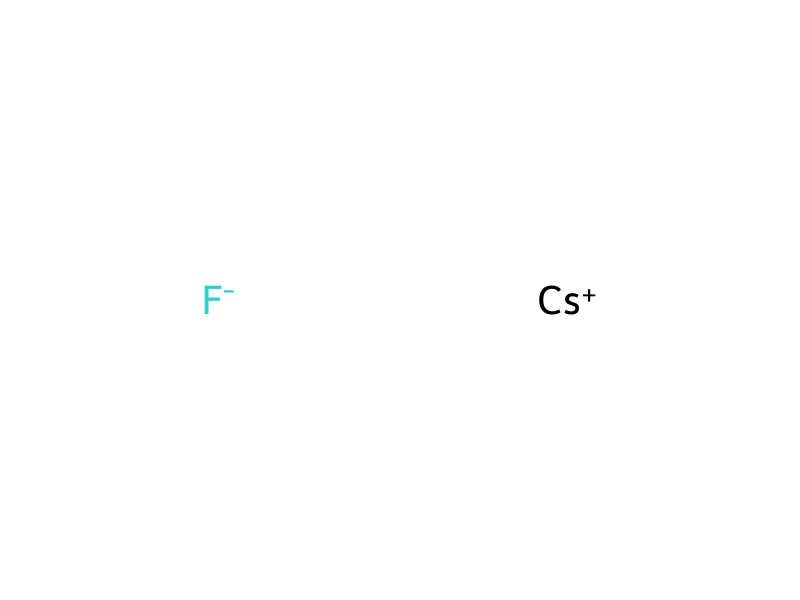
Cesium fluoride → HCID 57832846, compound
Reaction equation

Br[C:2]1[C:7]([F:8])=[C:6]([N:9]2[CH2:14][CH2:13][CH:12]([C:15]3[N:24]=[C:23]4[C:18]([CH2:19][CH2:20][CH2:21][NH:22]4)=[CH:17][CH:16]=3)[CH2:11][CH2:10]2)[N:5]=[CH:4][N:3]=1.[CH3:25][C:26]([O:29][C:30](=[O:45])[C@H:31]([CH2:43][NH2:44])[NH:32][C:33]([O:35][CH2:36][C:37]1[CH:42]=[CH:41][CH:40]=[CH:39][CH:38]=1)=[O:34])([CH3:28])[CH3:27].[F-].[Cs+].C1(P(C2C=CC=CC=2)C2C=CC3C(=CC=CC=3)C=2C2C3C(=CC=CC=3)C=CC=2P(C2C=CC=CC=2)C2C=CC=CC=2)C=CC=CC=1>O1CCOCC1.C1C=CC(/C=C/C(/C=C/C2C=CC=CC=2)=O)=CC=1.C1C=CC(/C=C/C(/C=C/C2C=CC=CC=2)=O)=CC=1.C1C=CC(/C=C/C(/C=C/C2C=CC=CC=2)=O)=CC=1.[Pd].[Pd]>[F:8][C:7]1[C:2]([NH:44][CH2:43][C@@H:31]([C:30]([O:29][C:26]([CH3:28])([CH3:27])[CH3:25])=[O:45])[NH:32][C:33]([O:35][CH2:36][C:37]2[CH:42]=[CH:41][CH:40]=[CH:39][CH:38]=2)=[O:34])=[N:3][CH:4]=[N:5][C:6]=1[N:9]1[CH2:14][CH2:13][CH:12]([C:15]2[N:24]=[C:23]3[C:18]([CH2:19][CH2:20][CH2:21][NH:22]3)=[CH:17][CH:16]=2)[CH2:11][CH2:10]1Participants
Reactant 4


Product 1

Reagents, catalysts & solvents 2


Procedure
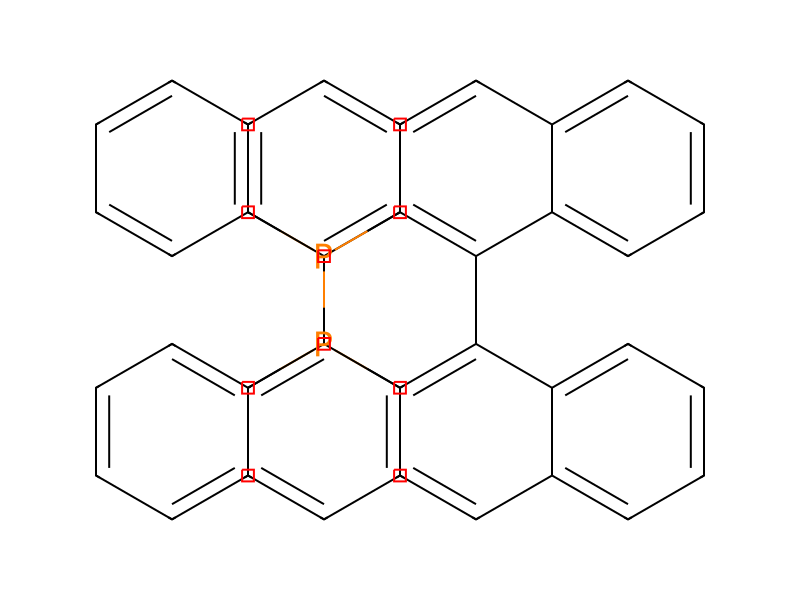
A mixture of 280 mg (0.72 mmole) of 4-bromo-5-fluoro-6-[4-(1,2,3,4-tetrahydro-1,8-naphthyridin-7-yl)-1-piperidinyl]-pyrimidine, 253 mg (0.86 mmole) of (1,1-dimethylethyl)3-amino-N-[(phenylmethoxy)carbonyl]alaninate (prepared according to J. Med. Chem. (2001), 44(8), 1158-1176), 152 mg (1.00 mmole) of caesium fluoride, 33 mg (0.036 mmole) of tris(dibenzylideneacetone)dipalladium(0), 45 mg (0.072 mmole) of 2,2′-bis(diphenyl-phosphino)-1,1′-binaphthyl in 50 ml of dioxane is heated under reflux for 6 hours. The reaction medium is cooled down then another 125 mg (0.43 mmole) of (1,1-dimethylethyl) 3-amino-N-[(phenylmethoxy)carbonyl]alaninate, 152 mg (1.0 mmole) of caesium fluoride, 33 mg (0.036 mmole) of tris(dibenzylideneacetone)dipalladium(0), and 45 mg (0.072 mmole) of 2,2′-bis(diphenyl-phosphino)-1,1′-binaphthyl are added and the reaction mixture is heated under reflux for 4 hours, followed by evaporating to dryness under reduced pressure (2 kPa). The residue is taken up in ethyl acetate, water and a saturated solution of sodium bicarbonate. The organic phase is separated, dried over magnesium sulphate and the solvent is evaporated off under reduced pressure (2 kPa). The residue is chromatographed on silicagel eluting with a gradient of heptane-ethyl acetate-methanol from 100-0-0 to 0-100-0 and finally 0-95-5. The product obtained is chromatographed a second time on alumina eluting with a heptane-methylene chloride mixture 50-50 then with an ethyl acetate-diisopropyl ether mixture 50-50. 300 mg (Yield=70%) of expected product is obtained in the form of a yellow oil.
Workup
- temperatureis heated
- temperatureunder reflux for 6 hours
- temperatureThe reaction medium is cooled down
- temperaturethe reaction mixture is heated
- temperatureunder reflux for 4 hours
- customby evaporating to dryness under reduced pressure (2 kPa)
- customThe organic phase is separated
- dry with materialdried over magnesium sulphate
- customthe solvent is evaporated off under reduced pressure (2 kPa)
- customThe residue is chromatographed
- washon silicagel eluting with a gradient of heptane-ethyl acetate-methanol from 100-0-0 to 0-100-0 and finally 0-95-5
- customThe product obtained
- customis chromatographed a second time on alumina eluting with a heptane-methylene chloride mixture 50-50
Sources & evidence
- ORD record
- ord-520940a837884f6baaf992f1698c196a
- Source dataset
- uspto-grants-2009_09
- Patent number
- US07582640B2
Reaction notes
Loading…