N-cyclopropylmethylphthalimide → 3-Hydroxy-2-cyclopropylmethyl-2,3-dihydroisoindol-1-one
Reaction equation

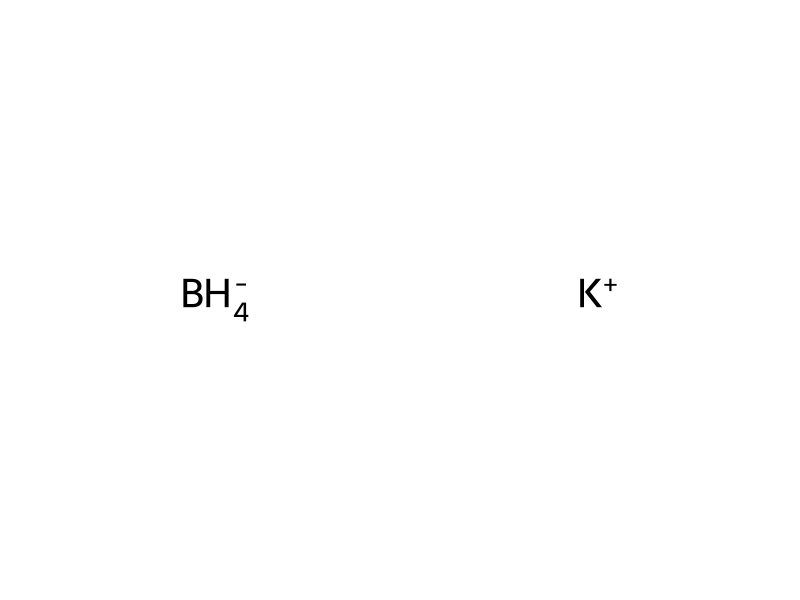
[CH:1]1([CH2:4][N:5]2[C:9](=[O:10])[C:8]3=[CH:11][CH:12]=[CH:13][CH:14]=[C:7]3[C:6]2=[O:15])[CH2:3][CH2:2]1>CO.[BH4-].[K+].ClCCl>[OH:10][CH:9]1[C:8]2[C:7](=[CH:14][CH:13]=[CH:12][CH:11]=2)[C:6](=[O:15])[N:5]1[CH2:4][CH:1]1[CH2:2][CH2:3]1Participants




Conditions
- Temperature
- 20 °C
Procedure
3-Hydroxy-2-cyclopropylmethyl-2,3-dihydroisoindol-1-one is prepared as described in Example 1, starting with 4.3 g of N-cyclopropylmethylphthalimide in 40 cm3 of methanol and 1.2 g of potassium borohydride. The reaction mixture is stirred at a temperature in the region of 20° C. for 20 hours and is then cooled to a temperature in the region of 0° C. and distilled water is added dropwise. The precipitate obtained is filtered off and the solid obtained is then taken up in dichloromethane and concentrated to dryness under reduced pressure (2 kPa) at a temperature in the region of 40° C. 4.1 g of 3-hydroxy-2-cyclopropylmethyl-2,3-dihydroisoindol-1-one are thus obtained in the form of a white powder (Rf=0.38, thin layer chromatography on silica gel, eluent: cyclohexane/ethyl acetate (50/50 by volume)).
Workup
- custom3-Hydroxy-2-cyclopropylmethyl-2,3-dihydroisoindol-1-one is prepared
- temperatureis then cooled to a temperature in the region of 0° C.
- distillationdistilled water
- additionis added dropwise
- customThe precipitate obtained
- filtrationis filtered off
- customthe solid obtained
- concentrationconcentrated to dryness under reduced pressure (2 kPa) at a temperature in the region of 40° C
Sources & evidence
- ORD record
- ord-f84d6a7e6f444fe1a447af059b864f19
- Source dataset
- uspto-grants-2009_09
- Patent number
- US07589117B2
Reaction notes
Loading…