3-fluoro-N-isobutylphthalimide → 4-Fluoro-3-hydroxy-2-isobutyl-2,3-dihydroisoindol-1-one
Reaction equation

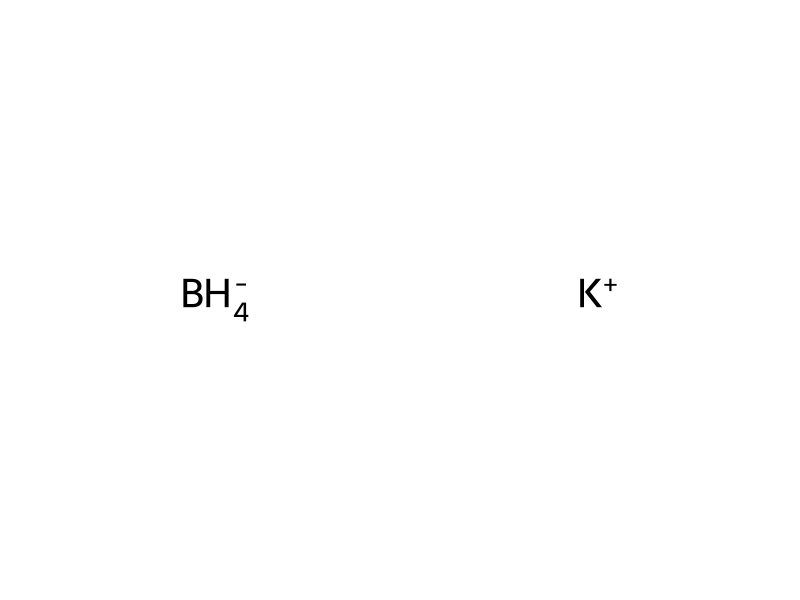
[F:1][C:2]1[CH:16]=[CH:15][CH:14]=[C:4]2[C:5]([N:7]([CH2:10][CH:11]([CH3:13])[CH3:12])[C:8](=[O:9])[C:3]=12)=[O:6]>CO.[BH4-].[K+]>[F:1][C:2]1[CH:16]=[CH:15][CH:14]=[C:4]2[C:3]=1[CH:8]([OH:9])[N:7]([CH2:10][CH:11]([CH3:12])[CH3:13])[C:5]2=[O:6]Participants
Reactant 1

Product 1

Reagents, catalysts & solvents 2

Conditions
- Temperature
- 20 °C
Procedure
4-Fluoro-3-hydroxy-2-isobutyl-2,3-dihydroisoindol-1-one is prepared as described in Example 1 starting with 3.9 g of 3-fluoro-N-isobutylphthalimide in 20 cm3 of methanol and 0.95 g of potassium borohydride. The reaction mixture is stirred at a temperature in the region of 20° C. for 19 hours and is then cooled to a temperature in the region of 0° C. and distilled water is added dropwise. The precipitate obtained is filtered off, washed with cold water and then dried in a desiccator under reduced pressure (2 kPa) at a temperature in the region of 20° C. 3.5 g of 4-fluoro-3-hydroxy-2-isobutyl-2,3-dihydroisoindol-1-one are thus obtained in the form of a sticky white powder. (Rf=0.36, thin layer chromatography on silica gel, eluent: cyclohexane/ethyl acetate (60/40 by volume)).
Workup
- custom4-Fluoro-3-hydroxy-2-isobutyl-2,3-dihydroisoindol-1-one is prepared
- temperatureis then cooled to a temperature in the region of 0° C.
- distillationdistilled water
- additionis added dropwise
- customThe precipitate obtained
- filtrationis filtered off
- washwashed with cold water
- customdried in a desiccator under reduced pressure (2 kPa) at a temperature in the region of 20° C
Sources & evidence
- ORD record
- ord-63ddc933cf3e4041a86d2482ff29162b
- Source dataset
- uspto-grants-2009_09
- Patent number
- US07589117B2
Reaction notes
Loading…