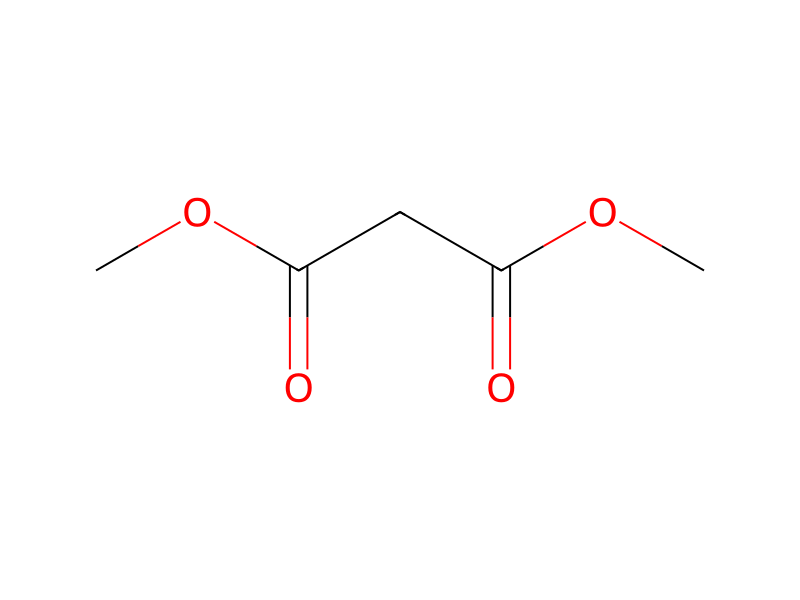
Dimethyl malonate → O-Methylisourea
Reaction equation

[CH2:1]1[CH2:5][NH+:4]([CH2:6][CH2:7]O)[CH2:3][CH2:2]1.C1C=C(C[C:16]([O-])=[O:17])C(NC2C(Cl)=CC=CC=2Cl)=CC=1.[CH3:28][O:29][C:30]1[N:35]=C(O)C=C(O)[N:31]=1.COC(=N)[NH2:41].C(OC)(=O)CC(OC)=O>>[CH3:28][O:29][C:30](=[NH:31])[NH2:35].[CH3:5][C:1]1[C:2]([CH2:16][OH:17])=[CH:3][N:4]=[C:6]([CH3:7])[N:41]=1Participants


Procedure
One method taught in the art for making the 2-methoxy analog of DHEP is disclosed by S. Basterfield and E. C. Powell in Canadian Journal of Research, vol. 1, pp. 261-272 (1929). In this article, Basterfield and Powell describe the synthesis of a number of 2-alkoxypyrimidine derivatives, including 2-methoxy-4,6-dihydroxypyrimidine (DHMP). DHMP is prepared by condensing O-methylisourea with dimethyl malonate. Although a 75% of theoretical yield is reported in the article, the theoretical yield requires consumption of 2 equivalents of O-methylisourea to form 1 equivalent of the O-methylisourea salt of DHMP. Thus, the reported 75% yield means that 0.75 moles of DHMP salt are formed for every 2 moles of O-methylisourea utilized. The O-methylisourea is prepared by first preparing and isolating the hydrochloride salt of O-methylisourea, then neutralizing this salt with potassium hydroxide in ether to form neutral O-methylisourea, which is apparently isolated as well. At page 262 of their article, Basterfield and Powell reference the unpublished observations of Stieglitz and Basterfield, who found that O-ethylisourea can be condensed with dimethyl malonate in the absence of a base and of a solvent to obtain the O-ethylisourea salt of 2-ethoxybarbituric acid, i.e., a salt of DHEP.
Workup
- customAlthough a 75% of theoretical yield
- customthe theoretical yield
Sources & evidence
- ORD record
- ord-2a1887ec863a4927a96c8b40d653d866
- Source dataset
- uspto-grants-1996_09
- Patent number
- US05552546
Reaction notes
Loading…