Erythromycin → Flurithromycin
Reaction equation

[CH3:1][CH2:2][C@H:3]1[O:18][C:16](=[O:17])[C@H:15]([CH3:19])[C@@H:14]([O:20][C@@H:21]2[O:26][C@@H:25]([CH3:27])[C@H:24]([OH:28])[C@@:23]([O:30][CH3:31])([CH3:29])[CH2:22]2)[C@H:13]([CH3:32])[C@@H:12]([O:33][C@@H:34]2[O:39][C@H:38]([CH3:40])[CH2:37][C@H:36]([N:41]([CH3:43])[CH3:42])[C@H:35]2[OH:44])[C@@:11]([OH:46])([CH3:45])[CH2:10][C@@H:9]([CH3:47])[C:7](=[O:8])[C@H:6]([CH3:48])[C@@H:5]([OH:49])[C@@:4]1([OH:51])[CH3:50].C1C=CC(S(N(S(C2C=CC=CC=2)(=O)=O)[F:62])(=O)=O)=CC=1>C(O)(=O)C>[CH3:1][CH2:2][C@H:3]1[O:18][C:16](=[O:17])[C@H:15]([CH3:19])[C@@H:14]([O:20][C@@H:21]2[O:26][C@@H:25]([CH3:27])[C@H:24]([OH:28])[C@@:23]([O:30][CH3:31])([CH3:29])[CH2:22]2)[C@H:13]([CH3:32])[C@@H:12]([O:33][C@@H:34]2[O:39][C@H:38]([CH3:40])[CH2:37][C@H:36]([N:41]([CH3:42])[CH3:43])[C@H:35]2[OH:44])[C@@:11]([OH:46])([CH3:45])[CH2:10][C@@:9]([F:62])([CH3:47])[C:7](=[O:8])[C@H:6]([CH3:48])[C@@H:5]([OH:49])[C@@:4]1([OH:51])[CH3:50]Participants
4
Reactant 2

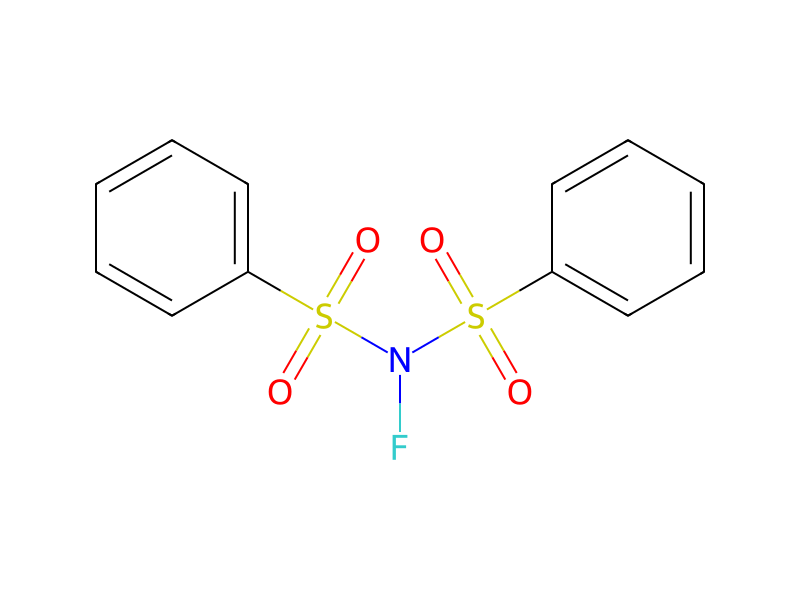
Product 1

Reagents, catalysts & solvents 1

Procedure
Erythromycin A (3 g, 4.1 mmole) was dissolved in glacial acetic acid (12 mL) at room temperature and stirred for 2 hours. N-fluorobenzenesulfonimide (1.6 g, 4.1 mmole) was added and stirring continued for an additional 4 hours at 22° C. The reaction was worked-up in the same manner as Example 1 to afford 2.533 g of crude flurithromycin. This material was recrystallized as described in Example 1 to yield 0.8 g (26% yield) of flurithromycin. This example shows the embodiment of the invention where the anydro derivative of erythromycin is prepared as an unisolated reaction intermediate and the N-F fluorination reaction is carried out without a buffer.
Workup
- stirringstirring
- waitcontinued for an additional 4 hours at 22° C
Sources & evidence
- ORD record
- ord-b5a8752eefdd4de99c17f5ec11273a37
- Source dataset
- uspto-grants-1996_09
- Patent number
- US05552533
Reaction notes
Loading…