2-Aminothiophenol → HCID 19421152, compound
Reaction equation

[C-]#N.[Na+].[H-].I[CH:6](I)CCC[Al+2].[H-].P(Cl)(Cl)(Cl)(Cl)Cl.[Br:19][C:20]1[CH:25]=[CH:24][C:23]([CH2:26]C(O)=O)=[CH:22][CH:21]=1.[NH2:30][C:31]1[CH:36]=[CH:35][CH:34]=[CH:33][C:32]=1[SH:37]>>[S:37]1[C:32]2[CH:33]=[CH:34][CH:35]=[CH:36][C:31]=2[N:30]=[C:26]1[C:23]1[CH:22]=[CH:21][C:20]([Br:19])=[CH:25][C:24]=1[CH3:6]Participants




Procedure
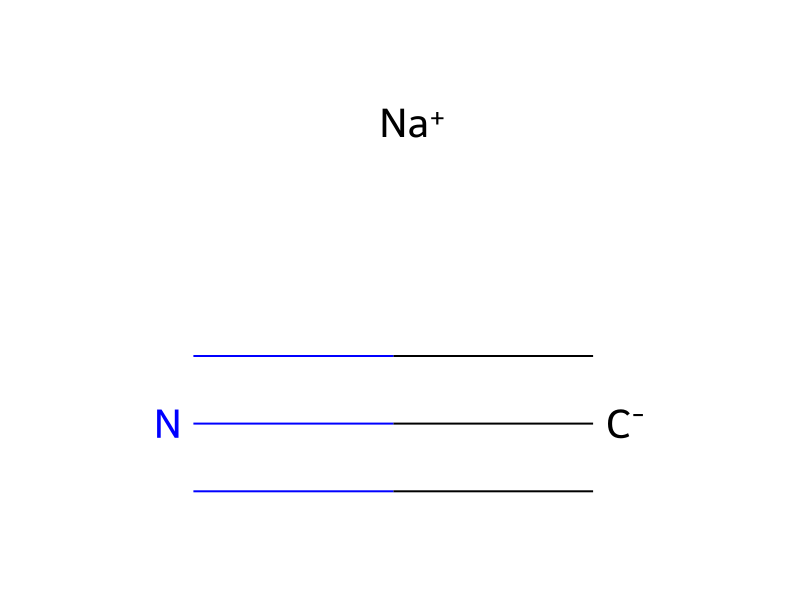
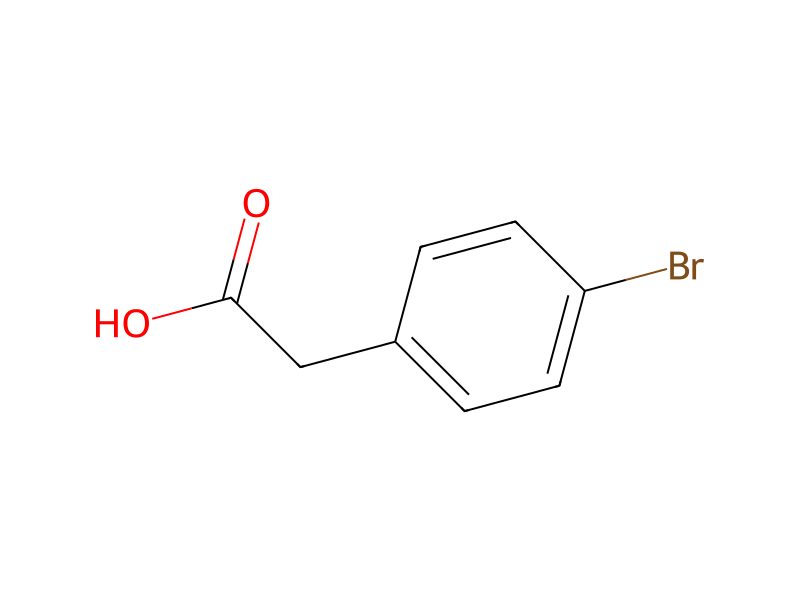
Scheme XII below shows the synthesis of two monomers containing electron withdrawing heterocyclic groups. In the presence of triethylamine, 1-(4-bromobenzoyl)-2-benzoylhydrazine and p-bromophenylacetic acid is converted to the corresponding acid chloride followed by reaction with benzoic hydrazide that cyclizes in the presence of phosphorus chloride to give 2-(4-bromophenyl)-5-phenyl-1,3,4-oxadiazole. The bromine group reacts with NaCN to form a cyano group that is then reduced by diiodobutylaluminum hydride to obtain an aldehyde group. This is finally converted to dichloromethyl groups with PCl5. p-Bromophenylacetic acid reacts with 2-aminothiophenol in polyphosphoric acid to give 1-(benzothiazol-2-yl)-methyl-4-bromobenzene. This is then converted to the 1-(benzothiazol-2-yl)-methyl-4-dichloromethyl benzene in three steps, as indicated. ##STR10##
Workup
- customto form a cyano group that
- customto obtain an aldehyde group
Sources & evidence
- ORD record
- ord-8a691b5d242b4573981ad905d05fcf68
- Source dataset
- uspto-grants-1996_09
- Patent number
- US05558904
Reaction notes
Loading…