Ethyl chloroacetate → HCID 23315294, compound
Reaction equation

[S:1]1[CH:5]=[CH:4][CH:3]=[C:2]1[CH:6]1[N:11]([C:12](=[O:14])[CH3:13])[CH2:10][CH2:9][NH:8][C:7]1=[O:15].[CH2:16]([O:18][C:19](=[O:22])[CH2:20]Cl)[CH3:17]>CS(C)=O>[C:19]([CH2:20][N:8]1[CH2:9][CH2:10][N:11]([C:12](=[O:14])[CH3:13])[CH:6]([C:2]2[S:1][CH:5]=[CH:4][CH:3]=2)[C:7]1=[O:15])([O:18][CH2:16][CH3:17])=[O:22]Participants
4
Reactant 2
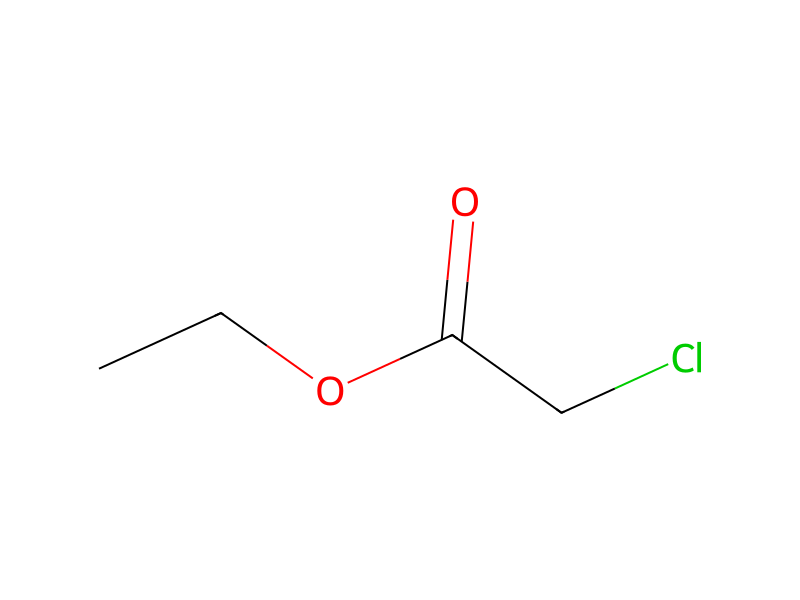

Product 1

Reagents, catalysts & solvents 1

Procedure
12 g (0.053 mol) of 3-(2-thienyl)-4-acetylpiperazin-2-one, prepared in accordance with Example 17, are stirred with 6.6 g (0.059 mol) of potassium tert.-butylate in 100 ml of dimethyl sulphoxide. After removing 10 ml of dimethyl sulphoxide by distillation in vacuo, 6.4 g (0.059 mol) of ethylchloroacetate are added dropwise at room temperature and the mixture is stirred for a further 12 hours. The dimethyl sulphoxide is removed by evaporation in vacuo, the residue is stirred with water and taken up in ethyl acetate, and the organic phase is separated off. Distilling off the ethyl acetate gives 13.8 g of the title product, 88% of theory (molecular weight 296), in the form of a viscous oil.
Workup
- customAfter removing 10 ml of dimethyl sulphoxide
- additionare added dropwise at room temperature
- customThe dimethyl sulphoxide is removed by evaporation in vacuo
- stirringthe residue is stirred with water
- customthe organic phase is separated off
- distillationDistilling off the ethyl acetate
Sources & evidence
- ORD record
- ord-d188686654c64156a8839444dc4f25c7
- Source dataset
- uspto-grants-1986_07
- Patent number
- US04598079
Reaction notes
Loading…