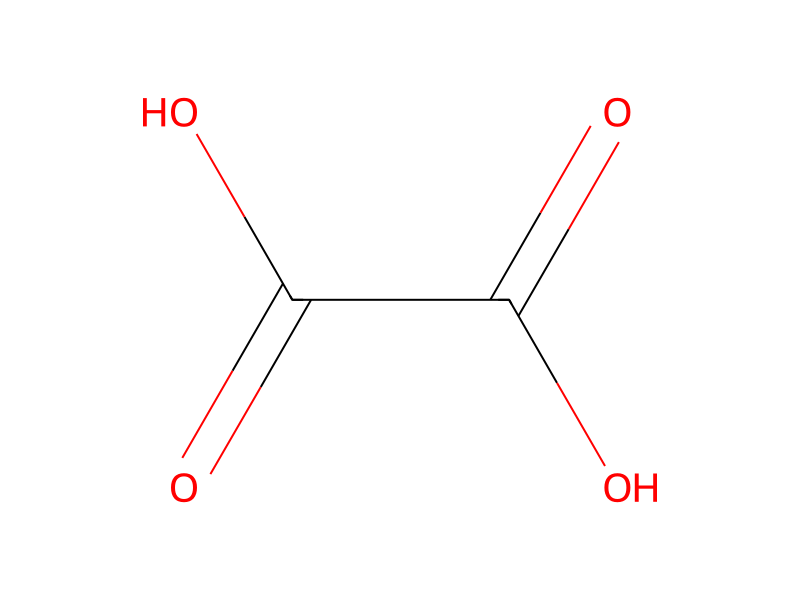
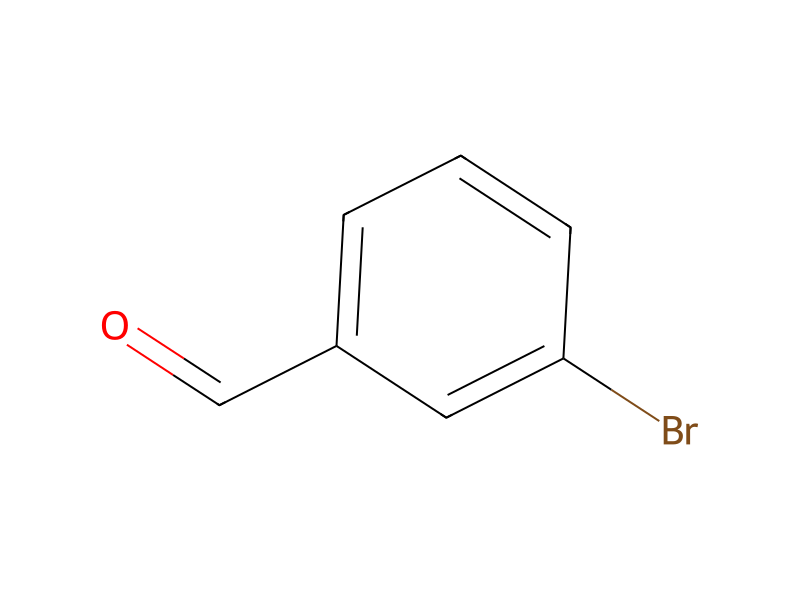
Oxalic Acid → 2-(3-Bromophenyl)benzimidazole
Reaction equation

[2H][C:2]1[C:7]([2H])=[C:6]([NH2:9])[C:5]([NH2:10])=[C:4]([2H])[C:3]=1[2H].C(O)(=O)C(O)=O.[Br:19][C:20]1[CH:21]=[C:22]([CH:25]=[CH:26][CH:27]=1)[CH:23]=O>C(O)C.O>[Br:19][C:20]1[CH:21]=[C:22]([C:23]2[NH:10][C:5]3[CH:4]=[CH:3][CH:2]=[CH:7][C:6]=3[N:9]=2)[CH:25]=[CH:26][CH:27]=1Participants
5
Reactant 3

Product 1

Reagents, catalysts & solvents 1
Conditions
- Temperature
- 80 °C
Procedure
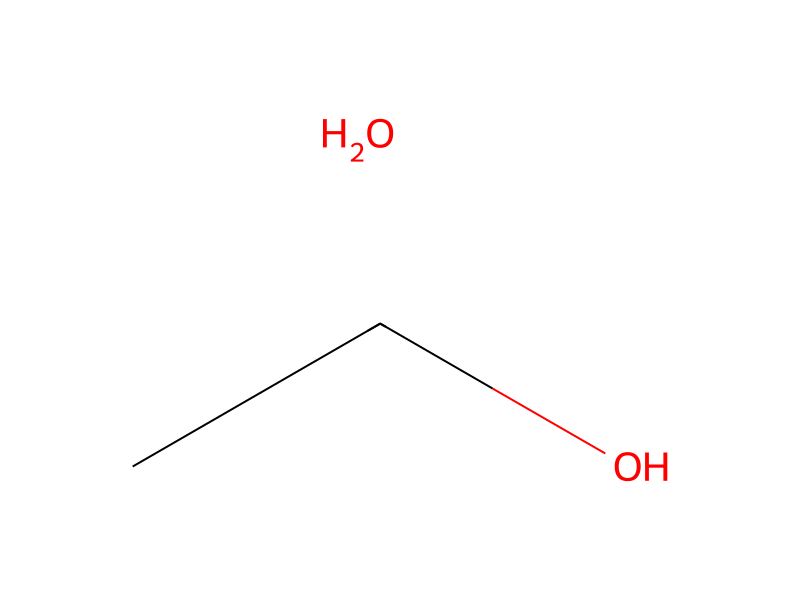
Method 1—Step a O-phenylenediamine (81.8 g, 756.6 mmol) and oxalic acid (3.40 g, 37.8 mmol) were completely dissolved in EtOH—H2O/1:1 (2 L) previously warmed at 80° C. 3-Bromobenzaldehyde (44.10 mL, 378.30 mmol) was then added dropwise to the solution. The reaction mixture was stirred overnight at 70° C. to the open air. The day after solid was filtered off and triturated with MeOH (150 mL) to give the product as a pale yellow solid (27.50 g). 3.8 g were recovered from the mother liquors. Total yield 31.30 g (30%).
Workup
- filtrationThe day after solid was filtered off
- customtriturated with MeOH (150 mL)
Sources & evidence
- ORD record
- ord-deb0a06724304497a43c4cc34d772a92
- Source dataset
- uspto-grants-2014_09
- Patent number
- US08835648B2
Reaction notes
Loading…