Pyridine → HCID 22614844, compound
Reaction equation

[CH3:1][O:2][CH2:3][C:4](Cl)=[O:5].[NH2:7][C:8]1[C:17]([Cl:18])=[C:16]([Cl:19])[CH:15]=[C:14]2[C:9]=1[N:10]=[C:11]([O:22][CH3:23])[C:12]([O:20][CH3:21])=[N:13]2.N1C=CC=CC=1>ClCCl>[Cl:18][C:17]1[C:8]([NH:7][C:4](=[O:5])[CH2:3][O:2][CH3:1])=[C:9]2[C:14](=[CH:15][C:16]=1[Cl:19])[N:13]=[C:12]([O:20][CH3:21])[C:11]([O:22][CH3:23])=[N:10]2Participants
5
Reactant 3

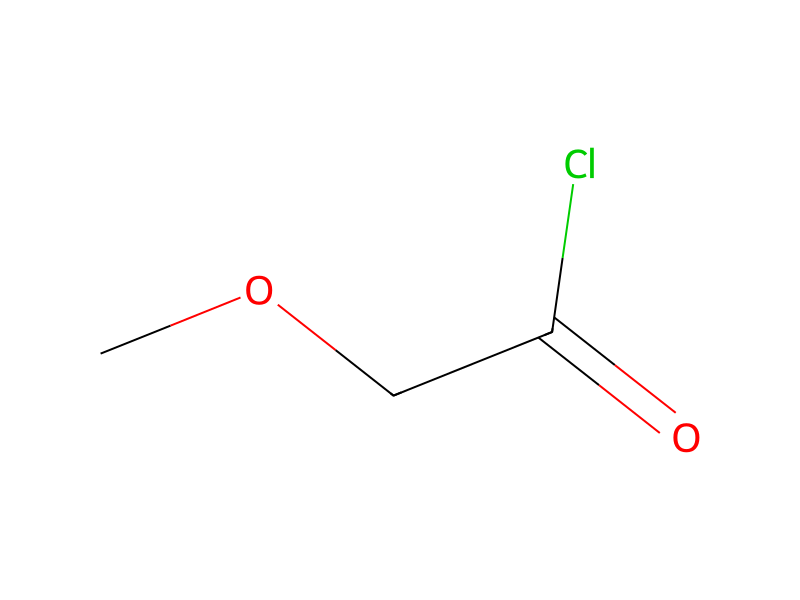

Product 1

Reagents, catalysts & solvents 1

Procedure
Methoxyacetylchloride (27.3 mL, 32.4 g, 0.30 mol) was added to a stirred mixture of 5-amino-6,7-dichloro-2,3-dimethoxyquinoxaline (Preparation 26, 73.8 g, 0.27 mol) and pyridine (26.4 mL, 25.8 g, 0.33 mol) in dichloromethane (1.2L) at room temperature under nitrogen. After 18 hours stirring at room temperature, the mixture was washed with 2M aqueous hydrochloric acid solution followed by brine, then dried (MgSO4) and concentrated under reduced pressure. The residue was triturated with methanol and filtered to give 6,7-dichloro-2,3-dimethoxy-5-methoxyacetamidoquinoxaline (82.0 g, 88%) as an off-white solid, mp 171-173° C.
Workup
- washthe mixture was washed with 2M aqueous hydrochloric acid solution
- dry with materialdried (MgSO4)
- concentrationconcentrated under reduced pressure
- customThe residue was triturated with methanol
- filtrationfiltered
Sources & evidence
- ORD record
- ord-533406f402aa42f081a7f36dcedee4a4
- Source dataset
- uspto-grants-2002_04
- Patent number
- US06376490B1
Reaction notes
Loading…