Cumene → 4'-Hydroxy-4-biphenylcarboxylic acid
Reaction equation

C[O:2][C:3]([CH:5]1[CH2:10][CH2:9][C:8](C2C=CC(O)=CC=2)([C:11]2[CH:16]=[CH:15][C:14]([OH:17])=[CH:13][CH:12]=2)[CH2:7][CH2:6]1)=[O:4].[OH-].[Na+].CC(C1C=CC=CC=1)=C.C1(C(C)C)C=CC=CC=1>[C].[Pd]>[OH:17][C:14]1[CH:13]=[CH:12][C:11]([C:8]2[CH:9]=[CH:10][C:5]([C:3]([OH:4])=[O:2])=[CH:6][CH:7]=2)=[CH:16][CH:15]=1Participants
6
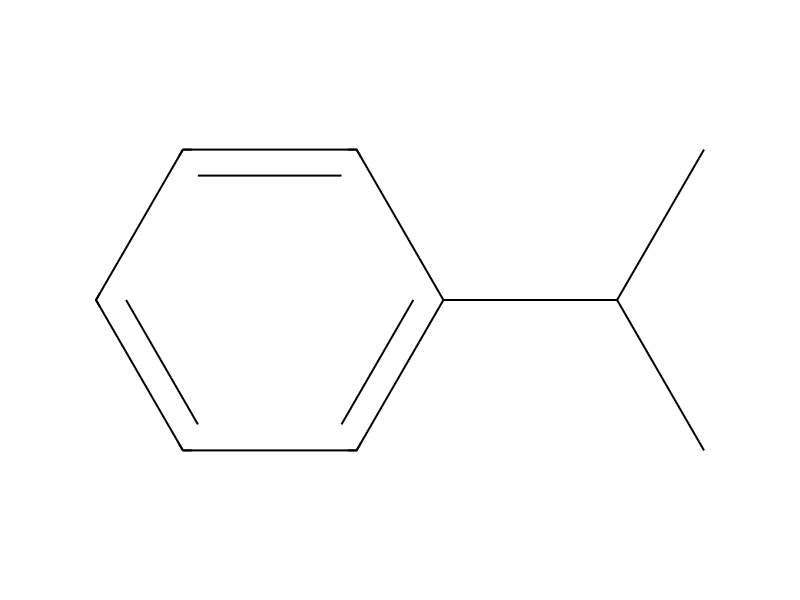





Procedure
Into a 300-ml stainless steel autoclave were charged 19.6 g (0.060 mole) of 4,4-bis(4-hydroxyphenyl)cyclohexanecarboxylic acid methyl ester, 2.9 g (0.072 mole) of sodium hydroxide, 21.3 g (0.18 mole) of α-methylstyrene, 0.4 g of 5% palladium-carbon catalyst, and 100 g of cumene. The reaction was conducted in the same manner as described in Example 1. The resulting reaction mixture was worked up in the same manner as described in Example 1 to obtain 11.6 g 4'-hydroxy-biphenyl-4-carboxylic acid in the form of white crystals. This product contained practically no impurities, and its yield as corrected for its purity was 90%.
Workup
- customThe resulting reaction mixture
Sources & evidence
- ORD record
- ord-3dfc454e9f9d430e8109aa8d52f8bf3e
- Source dataset
- uspto-grants-1988_07
- Patent number
- US04755617
Reaction notes
Loading…