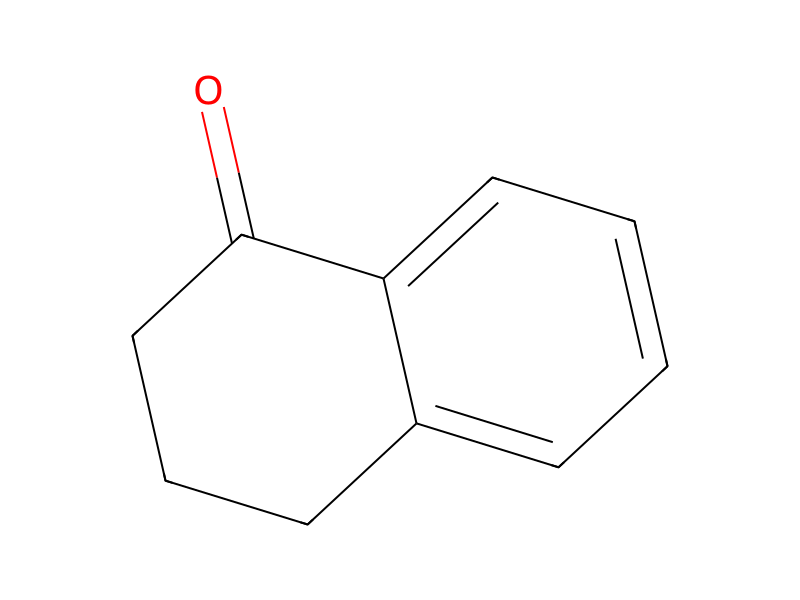
1-Tetralone → 1-(1-Hydroxy-1,2,3,4-tetrahydro-1-naphthyl)-3-dimethylamino-1-phenyl-1-propene
Reaction equation

C(C1C=C(C(C)C)C=C(C(C)C)C=1S(NN=[C:21]([C:27]1[CH:32]=[CH:31][CH:30]=[CH:29][CH:28]=1)[CH2:22][CH2:23][N:24]([CH3:26])[CH3:25])(=O)=O)(C)C.[CH2:33]1[CH2:43][C:41](=[O:42])[C:40]2[C:35](=[CH:36][CH:37]=[CH:38][CH:39]=2)[CH2:34]1>>[OH:42][C:41]1([C:21]([C:27]2[CH:28]=[CH:29][CH:30]=[CH:31][CH:32]=2)=[CH:22][CH2:23][N:24]([CH3:25])[CH3:26])[C:40]2[C:35](=[CH:36][CH:37]=[CH:38][CH:39]=2)[CH2:34][CH2:33][CH2:43]1Participants
3


Procedure
By using a method similar to that described in Example 22 but starting from β-dimethylaminopropiophenone 2,4,6-triisopropylbenzenesulphonylhydrazone (20 g) and from α-tetralone (6.4 cc), 1-(1-hydroxy-1,2,3,4-tetrahydro-1-naphthyl)-3-dimethylamino-1-phenyl-1-propene (Z) (3.8 g) is obtained in the form of a white powder melting at 108° C. after recrystallisation from a mixture (65 cc of petroleum ether and isopropanol (95/5 by volume).
Sources & evidence
- ORD record
- ord-511ec566256d4591861afaf218086b0d
- Source dataset
- uspto-grants-1988_07
- Patent number
- US04755599
Reaction notes
Loading…