Pyridine → HCID 4598169, compound
Reaction equation

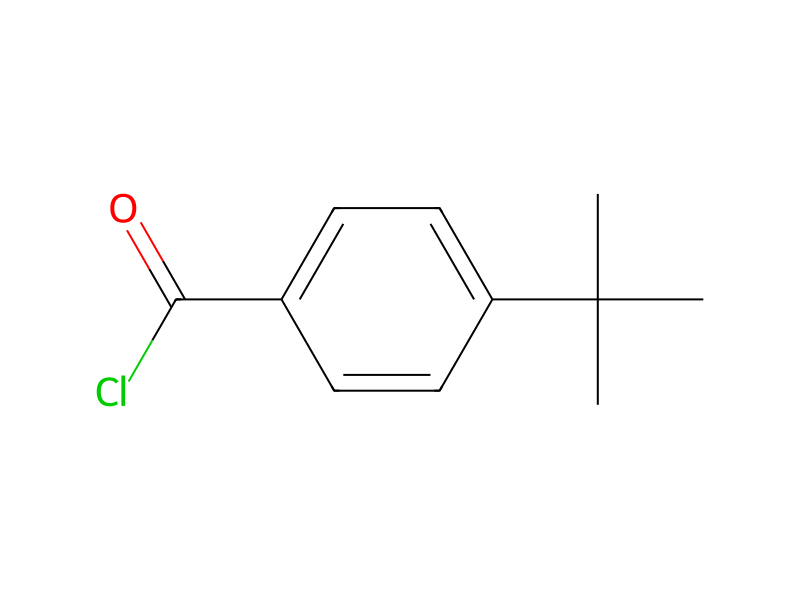
[CH3:1][O:2][C:3]1[CH:9]=[CH:8][C:6]([NH2:7])=[C:5]([N+:10]([O-:12])=[O:11])[CH:4]=1.N1C=CC=CC=1.[C:19]([C:23]1[CH:31]=[CH:30][C:26]([C:27](Cl)=[O:28])=[CH:25][CH:24]=1)([CH3:22])([CH3:21])[CH3:20]>O>[CH3:22][C:19]([C:23]1[CH:24]=[CH:25][C:26]([C:27]([NH:7][C:6]2[CH:8]=[CH:9][C:3]([O:2][CH3:1])=[CH:4][C:5]=2[N+:10]([O-:12])=[O:11])=[O:28])=[CH:30][CH:31]=1)([CH3:20])[CH3:21]Participants
5
Reactant 3


Product 1

Reagents, catalysts & solvents 1

Procedure
To 16.8 g. (0.1 mol) 4-methoxy-2-nitroaniline in 150 ml. anhydrous pyridine are added dropwise, while cooling with ice, 19.7 g. (0.1 mol) 4-tert.-butylbenzoic acid chloride. The reaction mixture is stirred for 1 hour at ambient temperature, poured into 1 liter of cold water and the precipitate obtained is filtered off with suction. There are obtained 32.3 g. (98% of theory) of the title compound in the form of yellow crystals; m.p. 103°-107° C.
Workup
- temperaturewhile cooling with ice, 19.7 g
- customthe precipitate obtained
- filtrationis filtered off with suction
- customThere are obtained 32.3 g
Sources & evidence
- ORD record
- ord-ddf5686bf844416ab6c965a8dbaae75d
- Source dataset
- uspto-grants-1992_08
- Patent number
- US05135949
Reaction notes
Loading…