Ethylene Oxide → HCID 14793571, compound
Reaction equation

[CH:1]1[C:14]2[N:13]([C:15](Cl)=[O:16])[C:12]3[C:7](=[CH:8][CH:9]=[CH:10][CH:11]=3)[S:6][C:5]=2[CH:4]=[CH:3][CH:2]=1.[CH2:18]1[O:20][CH:19]1[CH2:21][OH:22].O1CC1>>[CH:1]1[C:14]2[N:13]([C:15]([O:22][CH2:21][CH:19]3[O:20][CH2:18]3)=[O:16])[C:12]3[C:7](=[CH:8][CH:9]=[CH:10][CH:11]=3)[S:6][C:5]=2[CH:4]=[CH:3][CH:2]=1Participants
4
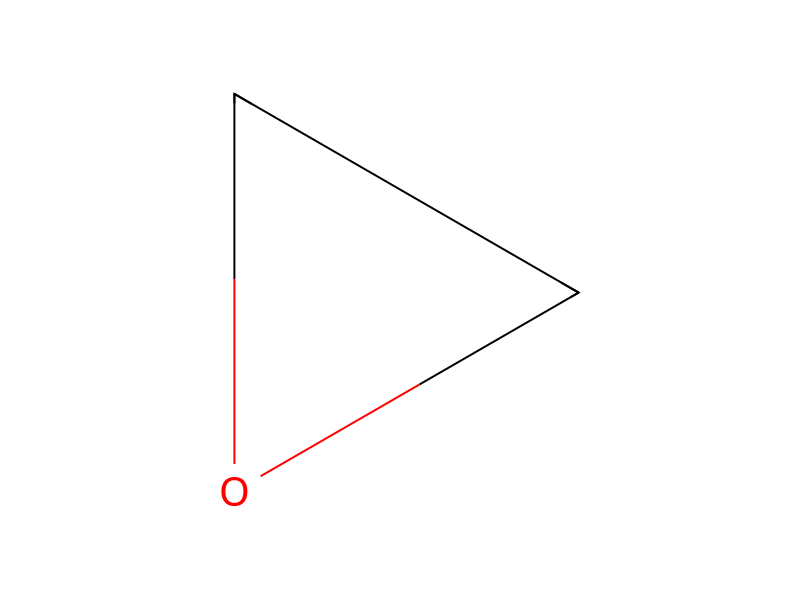
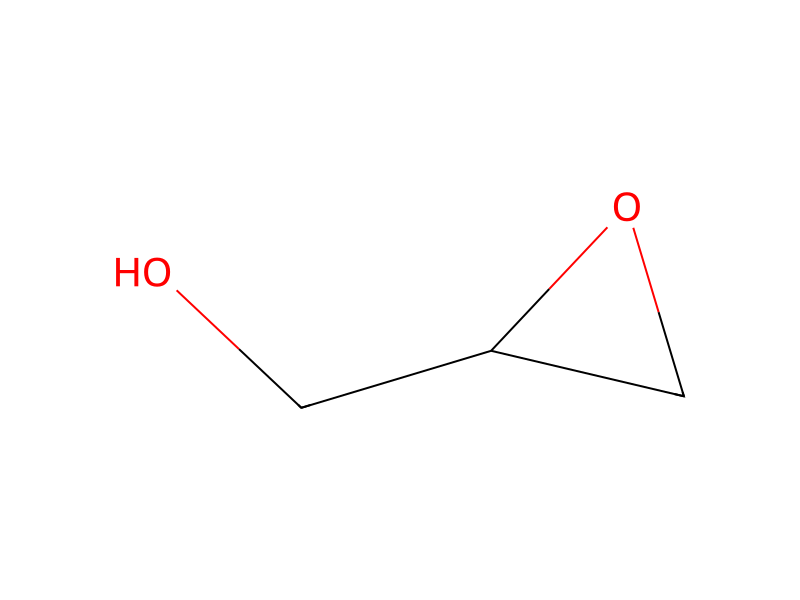


Procedure
Phenothiazine N-carbonyl chloride, 1.5 g (6 mmol) and 6 mmol of glycidol were heated in a reflux apparatus equipped with a drying tube at 90° C. for 10 hours on an oil bath. Then the reflux apparatus was converted for distillation and the excess glycidol was removed under vacuum at this temperature. The resulting brown oil solidified upon cooling and was dissolved in chloroform, treated with charcoal, dried and evaporated to dryness. Recrystallization of the resulting solid from ethanol gave the product: 1.0 g (55%), tan crystals m.p. 92°-94° C. NMR: (CDCl3) 7.3, 8H, m, phenyl; 4.5, 2H, d, d, exocyclic --CH2 --; 3.4, 1H, m, CH; 2.9, 2H, m, endocyclic --CH2 --. IR: 1710, carbonyl; 1250, 900, oxirane; 750, aromatic.
Workup
- customequipped with a drying tube at 90° C. for 10 hours on an oil bath
- distillationThen the reflux apparatus was converted for distillation
- customthe excess glycidol was removed under vacuum at this temperature
- temperatureupon cooling
- dissolutionwas dissolved in chloroform
- additiontreated with charcoal
- customdried
- customevaporated to dryness
- customRecrystallization of the resulting solid from ethanol
- customgave the product
Sources & evidence
- ORD record
- ord-1a84bb7ea845441b80898f7a5a61f9ae
- Source dataset
- uspto-grants-1992_08
- Patent number
- US05142045
Reaction notes
Loading…