Isoprene → HCID 19842620, compound
Reaction equation

[CH2:1]=[CH:2][C:3]1[CH:8]=[CH:7][CH:6]=[CH:5][CH:4]=1.C([Li])(CC)C.CN(CCN(C)C)C.[CH2:22]=[CH:23][C:24](=[CH2:26])[CH3:25]>C1CCCCC1>[CH2:1]=[CH:2][C:3]1[CH:8]=[CH:7][CH:6]=[CH:5][CH:4]=1.[CH2:22]=[CH:23][C:24](=[CH2:25])[CH3:26].[CH2:1]=[CH:2][C:3]1[CH:8]=[CH:7][CH:6]=[CH:5][CH:4]=1Participants
Reactant 4


Product 1

Reagents, catalysts & solvents 1

Procedure
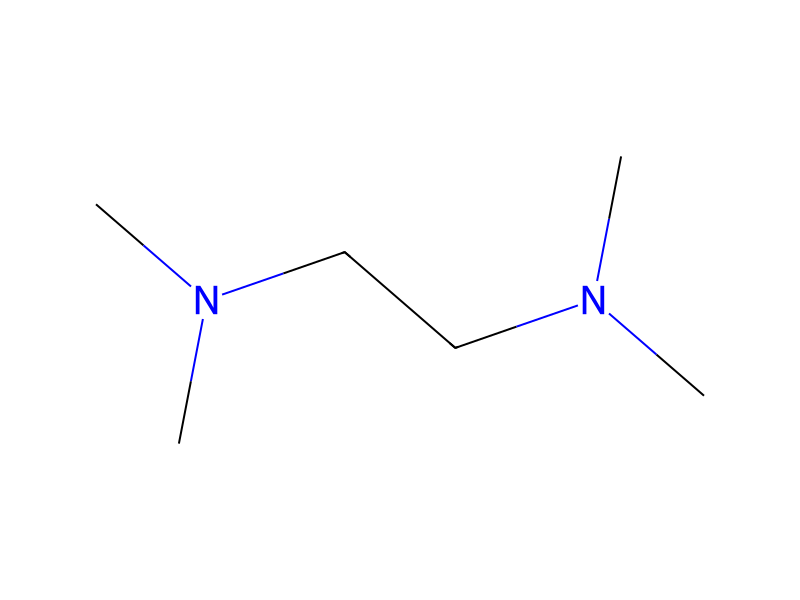
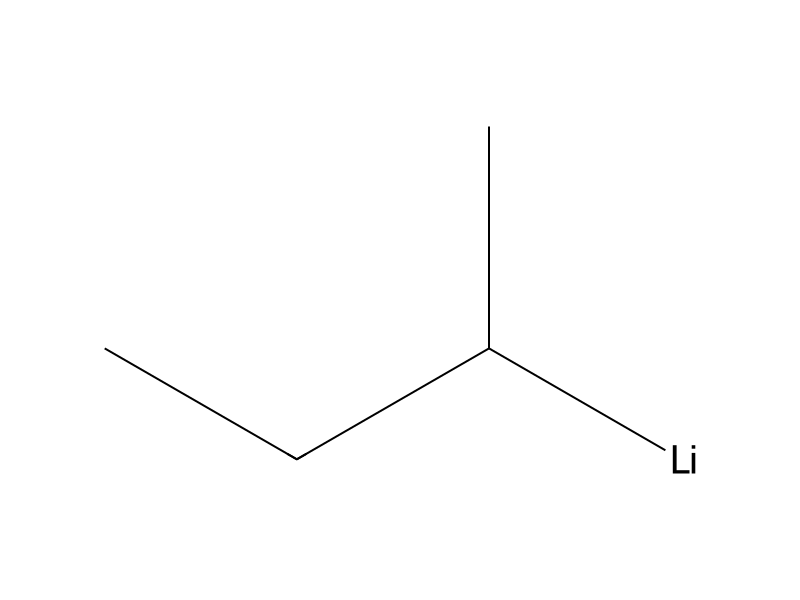
In a pressure-resistant container replaced with dry nitrogen, styrene was polymerized at 60° C. using cyclohexane as a solvent and s-butyllithium as a polymerization initiator, TMEDA was added thereto as a Lewis base, and thereafter isoprene and styrene were successively polymerized thereto to give a styrene-isoprene-styrene block copolymer. The resulting block copolymer was hydrogenated in cyclohexane under a hydrogen atmosphere at a hydrogen pressure of 2 MPa using Pd/C as a catalyst, to give a hydrogenated block copolymer (the hydrogenated block copolymer obtained in Preparation Example 4 being hereinafter simply referred to as a block copolymer 4). The content of styrene, the number-average molecular weight, the content of vinyl bonds and the hydrogenation rate of the resulting block copolymer 4 are shown in Table 1.
Workup
- customwas polymerized at 60° C.
Sources & evidence
- ORD record
- ord-b8baf13fabc74010a4ef6b10a29d71d9
- Source dataset
- uspto-grants-2006_12
- Patent number
- US07147905B2
Reaction notes
Loading…