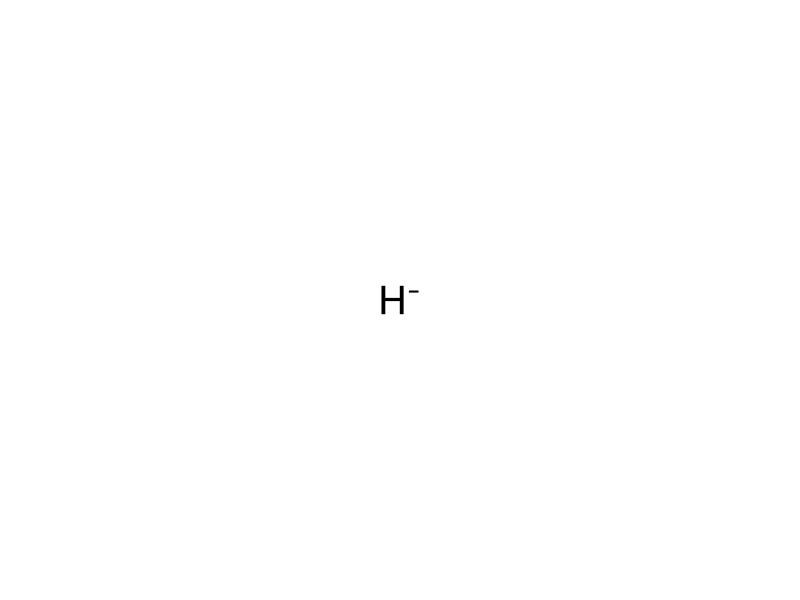
Hydride → HCID 68802893, compound
Reaction equation

[Cl:1][C:2]1[N:6]2[N:7]=[C:8]([CH:25]([CH3:27])[CH3:26])[C:9](/[CH:18]=[CH:19]/[C:20](OCC)=[O:21])=[C:10]([C:11]3[CH:16]=[CH:15][C:14]([F:17])=[CH:13][CH:12]=3)[C:5]2=[CH:4][CH:3]=1.[H-]>C1(C)C=CC=CC=1>[Cl:1][C:2]1[N:6]2[N:7]=[C:8]([CH:25]([CH3:27])[CH3:26])[C:9](/[CH:18]=[CH:19]/[CH2:20][OH:21])=[C:10]([C:11]3[CH:12]=[CH:13][C:14]([F:17])=[CH:15][CH:16]=3)[C:5]2=[CH:4][CH:3]=1Participants
Reactant 2

Product 1

Reagents, catalysts & solvents 1

Conditions
- Temperature
- -10 °C
Procedure
To a solution of ethyl(2E)-3-[7-chloro-4-(4-fluorophenyl)-2-isopropylpyrrolo[1,2-b]pyridazin-3-yl]-2-propenoate (50 mg) in toluene was added dropwise 1.5 M diisobutylalminum hydride (0.277 mL) in toluene (24 mL) in a dryice-acetone bath. After addition, the mixture was stirred for 2 hours (−10° C.). The reaction mixture was quenched with sodium, potassium-tartarate and was filtered through Celite. The organic layer was separated, dried over magnesium sulfate, and evaporated in vacuo. The residue was purified by flash silica gel chromatography (silica gel, 40 mL) eluted with hexane-ethyl acetate=10-1, 5-1, and 3-1 to give (2E)-3-[7-chloro-4-(4-fluorophenyl)-2-isopropylpyrrolo[1,2-b]pyridazin-3-yl]-2-propen-1-ol as an yellow solid (30 mg).
Workup
- additionAfter addition
- customThe reaction mixture was quenched with sodium, potassium-tartarate
- filtrationwas filtered through Celite
- customThe organic layer was separated
- dry with materialdried over magnesium sulfate
- customevaporated in vacuo
- customThe residue was purified by flash silica gel chromatography (silica gel, 40 mL)
- washeluted with hexane-ethyl acetate=10-1, 5-1, and 3-1
Sources & evidence
- ORD record
- ord-3bdb9943101f4a6e8534983aa48a87ef
- Source dataset
- uspto-grants-2006_12
- Patent number
- US07153854B2
Reaction notes
Loading…