epsilon-CAPROLACTONE → Urethane acrylate
Reaction equation

[N-:1]=[C:2]=[O:3].[N-]=C=O.C1(CC2C=CC=CC=2)C=CC=CC=1.[OH-].[K+].[C:22]1(=[O:29])[O:28]CCC[CH2:24][CH2:23]1.C(O)CCC[CH2:34][CH2:35][OH:36].C(OCCO)(=O)C=C>>[C:22]([OH:29])(=[O:28])[CH:23]=[CH2:24].[NH2:1][C:2]([O:36][CH2:35][CH3:34])=[O:3]Participants
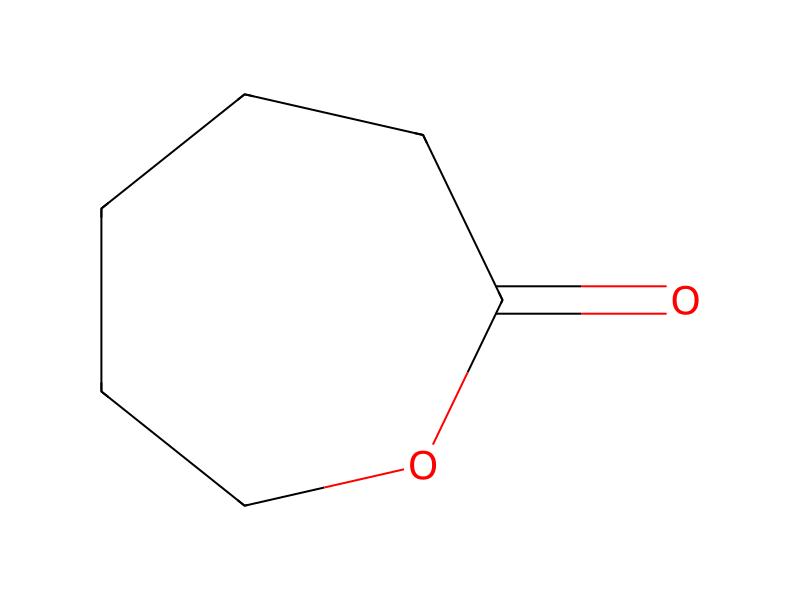





Conditions
- Temperature
- 60 °C
Procedure
In a flask equipped with a thermometer, a stirrer and a condenser was charged 524 parts of diphenylmethane diisocyanate and heated to 60° C. with stirring. To the flask was added dropwise 520 parts of a ring opening reaction product (OH value: 215 KOH-mg/kg) between ε-caprolactone and 1,6-hexanediol over a period of 1 hour while giving care to heat generation. The reaction was carried on over 10 hours, and 232 parts of hydroxyethyl acrylate was added thereto, followed by further continuing the reaction for 10 hours. After confirming disappearance of the absorption of an isocyanate group in the infrared absorption spectrum, an urethane acrylate containing a hard segment and a soft segment was obtained as a comparative composition (designated RSH-1).
Workup
- customIn a flask equipped with a thermometer, a stirrer and a condenser
- additionTo the flask was added dropwise 520 parts of a ring
- customwhile giving care
- temperatureto heat generation
- additionwas added
- customthe reaction for 10 hours
- customdisappearance of the absorption of an isocyanate group in the infrared absorption spectrum
Sources & evidence
- ORD record
- ord-0c8b7b05f72c4fcb91b4a34bc79c5f07
- Source dataset
- uspto-grants-1998_02
- Patent number
- US05714218
Reaction notes
Loading…