beta-Maltose → D-(+)-Cellobiose (CNP0226604.15)
Reaction equation

[CH2:1]([OH:23])[C@H:2]1[O:7][C@H:6]([O:8][C@H:9]2[C@H:14]([OH:15])[C@@H:13]([OH:16])[C@H:12]([OH:17])[O:11][C@@H:10]2[CH2:18][OH:19])[C@H:5]([OH:20])[C@@H:4]([OH:21])[C@@H:3]1[OH:22].C(=O)([O-])[O-:25].[Ca+2].[Br-].[Ca+2].[Br-]>O>[CH2:1]([OH:23])[C@H:2]1[O:7][C@@H:6]([O:8][C@@H:9]([C@H:14]([OH:15])[C@@H:13]([OH:16])[C:12]([OH:17])=[O:11])[C@H:10]([OH:25])[CH2:18][OH:19])[C@H:5]([OH:20])[C@@H:4]([OH:21])[C@@H:3]1[OH:22].[CH2:1]([OH:23])[C@H:2]1[O:7][C@@H:6]([O:8][C@H:9]2[C@H:14]([OH:15])[C@@H:13]([OH:16])[C@H:12]([OH:17])[O:11][C@@H:10]2[CH2:18][OH:19])[C@H:5]([OH:20])[C@@H:4]([OH:21])[C@@H:3]1[OH:22]Participants
Reactant 3
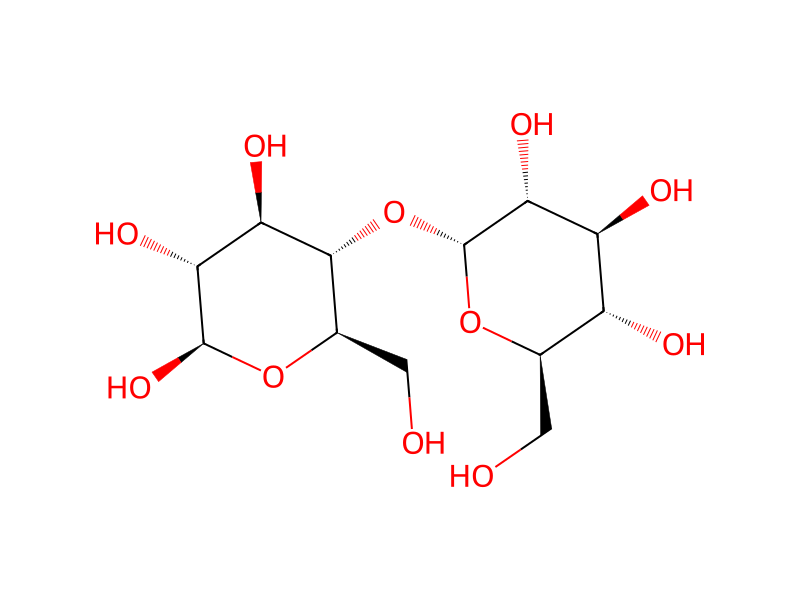
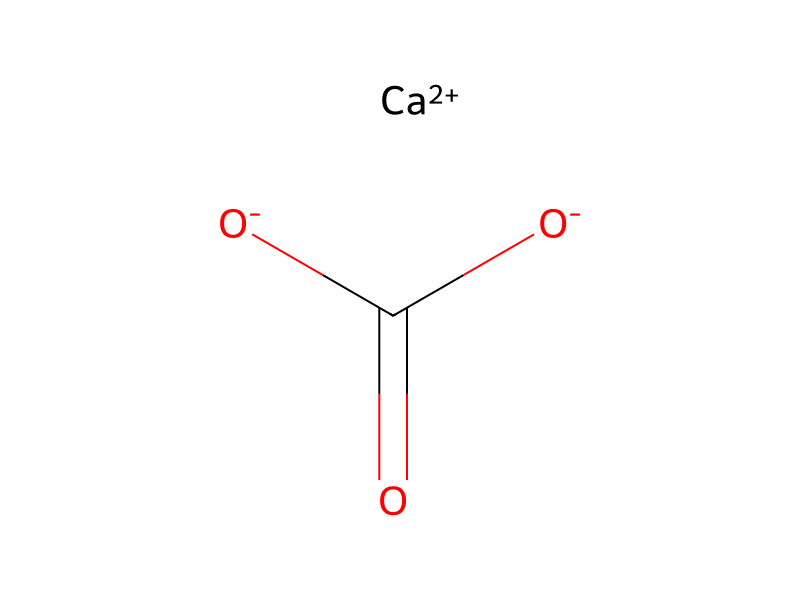

Product 2


Reagents, catalysts & solvents 1

Conditions
- Temperature
- 8 °C
Procedure
Maltose (1 kg, 2.92 moles) is dissolved into 3.8 l, deionized water with heating, in the range of about 40° C. to 60° C., or sufficient to dissolve the maltose. Calcium carbonate (381 g, 3.81 moles) and calcium bromide (51 g, 0.26 mole) are added with mixing. The solution is poured into an electrolysis chamber equipped with a cooling loop and cooled. Six volts DC are applied to opposite graphite electrodes. At 8 hour intervals, the potential is reversed. After 24 h, maltose (1 kg, 2.92 moles) is added and electrolysis is continued until essentially all of the maltose is converted to its acid form (as measured by HPLC), about 104 h total time. The solution is filtered to remove excess calcium carbonate and the pH of the filtrate is adjusted to 2.0 with sulfuric acid. The solution is cooled about 12 to 16 h to 8° C., and filtered to remove calcium sulfate. Calcium ions are removed by batch adsorption to Amberlite IRA 120 resin in the hydrogen form. The sulfate and bromide ions are removed by batch adsorption to Amberlite IRA 68 resin in the hydroxide form. The solution is spray dried with a Bowen 3 ft (1 m) flat bottom laboratory spray drier with a 2 fluid nozzle atomizer. The inlet temperature is kept at about 280° F. to 300° F. (138° C. to 149° C.) with all ports closed. The cellobionic acid is produced in the same manner from cellobiose.
Workup
- temperaturewith heating, in the range of about 40° C. to 60° C.
- additionwith mixing
- additionThe solution is poured into an electrolysis chamber
- customequipped with a cooling loop
- temperaturecooled
- waitAfter 24 h
- customis converted to its acid form (as measured by HPLC), about 104 h total time
- filtrationThe solution is filtered
- customto remove excess calcium carbonate
- filtrationfiltered
- customto remove calcium sulfate
- customCalcium ions are removed by batch adsorption to Amberlite IRA 120 resin in the hydrogen form
- customThe sulfate and bromide ions are removed by batch adsorption to Amberlite IRA 68 resin in the hydroxide form
- customdried with a Bowen 3 ft (1 m) flat bottom laboratory spray drier with a 2 fluid nozzle atomizer
- customis kept at about 280° F. to 300° F.
- custom(138° C. to 149° C.)
- customclosed
Sources & evidence
- ORD record
- ord-0332836363304d12928bc277ba5b437b
- Source dataset
- uspto-grants-1998_02
- Patent number
- US05714598
Reaction notes
Loading…