Dimethyl Carbonate → Methyl 7-cyclohexyl-1,2,3,4-tetrahydro-1-oxo-2-naphthalenecarboxylate
Reaction equation

[CH:1]1([C:7]2[CH:16]=[C:15]3[C:10]([CH2:11][CH2:12][CH2:13][C:14]3=[O:17])=[CH:9][CH:8]=2)[CH2:6][CH2:5][CH2:4][CH2:3][CH2:2]1.C[O-].[Na+].[C:21](=O)([O:24]C)[O:22][CH3:23]>>[CH:1]1([C:7]2[CH:16]=[C:15]3[C:10]([CH2:11][CH2:12][CH:13]([C:21]([O:22][CH3:23])=[O:24])[C:14]3=[O:17])=[CH:9][CH:8]=2)[CH2:2][CH2:3][CH2:4][CH2:5][CH2:6]1Participants
4
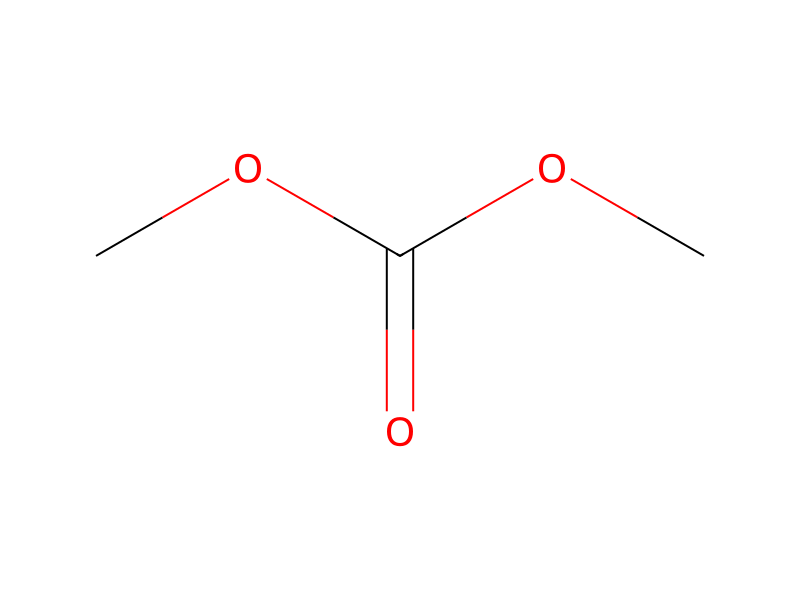



Procedure
A mixture of 7-cyclohexyl-1-tetralone (9.4 g), sodium methoxide (8.9 g) and dimethyl carbonate (65 ml) was refluxed for 30 minutes in a nitrogen gas stream. After the reaction mixture was cooled, the resulting crystals were collected by filtration and suspended in ethyl acetate (250 ml), followed by addition of 6N HCl (50 ml). The organic layer was collected, while the aqueous layer was extracted with ethyl acetate. The extract was combined with the organic layer, successively washed with water and brine, and dried (MgSO4), after which the solvent was evaporated off, to yield methyl 7-cyclohexyl-1-tetralone-2-carboxylate (8.6 g, 74%) as an oil.
Workup
- temperaturewas refluxed for 30 minutes in a nitrogen gas stream
- temperatureAfter the reaction mixture was cooled
- filtrationthe resulting crystals were collected by filtration
- additionfollowed by addition of 6N HCl (50 ml)
- customThe organic layer was collected, while the aqueous layer
- extractionwas extracted with ethyl acetate
- washsuccessively washed with water and brine
- dry with materialdried (MgSO4)
- customafter which the solvent was evaporated off
Sources & evidence
- ORD record
- ord-ac582ceb4e8146d48ee8583c987008d4
- Source dataset
- uspto-grants-1998_02
- Patent number
- US05716944
Reaction notes
Loading…