Potassium Iodide → HCID 86752041, compound
Reaction equation

Br[CH2:2][C:3]1[CH:8]=[CH:7][N:6]=[C:5]([N:9]2[C:17](=[O:18])[C:16]3[C:11](=[CH:12][CH:13]=[CH:14][CH:15]=3)[C:10]2=[O:19])[CH:4]=1.[P:20]([O:27]CC)([O:24][CH2:25][CH3:26])[O:21][CH2:22][CH3:23].[I-].[K+]>CCC(C)=O>[O:19]=[C:10]1[C:11]2[C:16](=[CH:15][CH:14]=[CH:13][CH:12]=2)[C:17](=[O:18])[N:9]1[C:5]1[CH:4]=[C:3]([CH2:2][P:20](=[O:27])([O:24][CH2:25][CH3:26])[O:21][CH2:22][CH3:23])[CH:8]=[CH:7][N:6]=1Participants
5
Reactant 3

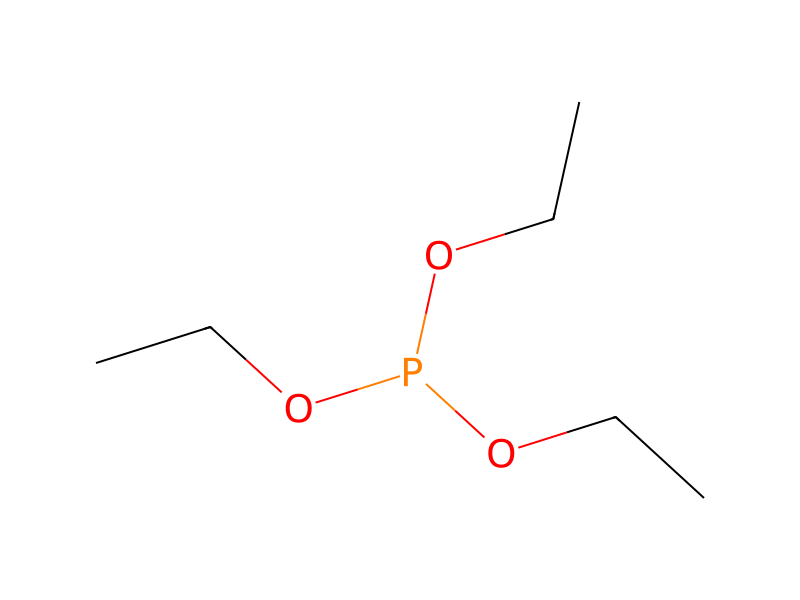

Product 1

Reagents, catalysts & solvents 1

Procedure
The product from Example 14, triethyl phosphite (7.66 g, 46 mmol) and a catalytic amount of potassium iodide were placed in a flask containing MEK (500 mL) under a N2 atmosphere. The reaction was heated to reflux for 11 h. After cooling to room temperature, the solid was filtered from the reaction mixture, and the filtrate stripped in vacuo. Aqueous K2 CO3 was added to the residue, and the product extracted with EtOAc. The extract was dried (MgSO4), filtered and stripped of all solvent in vacuo to produce the crude product which was purified by flash chromatography (97/3 CHCl3 /EtOH).
Workup
- temperatureThe reaction was heated
- temperatureto reflux for 11 h
- filtrationthe solid was filtered from the reaction mixture
- additionAqueous K2 CO3 was added to the residue
- extractionthe product extracted with EtOAc
- dry with materialThe extract was dried (MgSO4)
- filtrationfiltered
Sources & evidence
- ORD record
- ord-aa0c6027c20848e992cb3e23d776193c
- Source dataset
- uspto-grants-1998_02
- Patent number
- US05716964
Reaction notes
Loading…