Pyridine → HCID 12084697, compound
Reaction equation

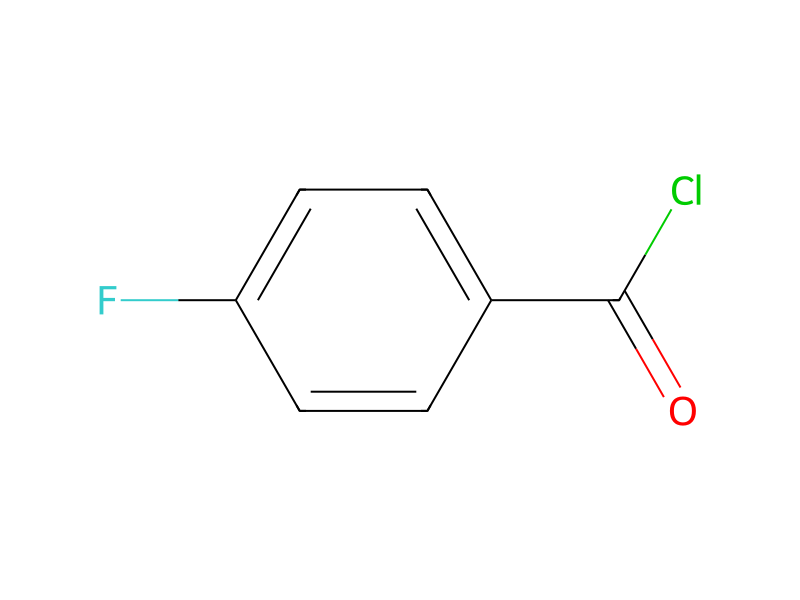
Cl.C([N:4]([C:9]1[CH:14]=[CH:13][CH:12]=[CH:11][CH:10]=1)[CH2:5][C:6]([OH:8])=[O:7])C.[F:15][C:16]1[CH:24]=[CH:23][C:19]([C:20](Cl)=[O:21])=[CH:18][CH:17]=1.N1C=CC=[CH:27][CH:26]=1>CC#N>[F:15][C:16]1[CH:24]=[CH:23][C:19]([C:20]([N:4]([C:9]2[CH:10]=[CH:11][CH:12]=[CH:13][CH:14]=2)[CH2:5][C:6]([O:8][CH2:26][CH3:27])=[O:7])=[O:21])=[CH:18][CH:17]=1Participants
5
Reactant 3


Product 1

Reagents, catalysts & solvents 1

Procedure
To a solution of ethyl phenylglycine, hydrochloride (prepared above) in CH3CN (60 mL) were added 4-fluorobenzoyl chloride (25.4 g, 0.16 mol) and pyridine. The resulting mixture was stirred at room temperature for about 5.5 h, then was partitioned between aqueous NaHCO3 and EtOAc. The organic extract was washed successively with 10% aqueous NaOH, 3N HCl and saturated aqueous NaCl. The solvent was removed in vacuo, and the residue was crystallized from CH2Cl2 /hexanes to afford the title compound (19 g, 63%).
Workup
- customwas partitioned between aqueous NaHCO3 and EtOAc
- extractionThe organic extract
- washwas washed successively with 10% aqueous NaOH, 3N HCl and saturated aqueous NaCl
- customThe solvent was removed in vacuo
- customthe residue was crystallized from CH2Cl2 /hexanes
Sources & evidence
- ORD record
- ord-f280ae88f066492188af868d438d90cf
- Source dataset
- uspto-grants-1998_02
- Patent number
- US05716972
Reaction notes
Loading…