Methanol → N-Methylcaprolactam
Reaction equation

[C:1]1(=[O:8])[NH:7][CH2:6][CH2:5][CH2:4][CH2:3][CH2:2]1.[CH3:9]O>>[CH3:9][N:7]1[CH2:6][CH2:5][CH2:4][CH2:3][CH2:2][C:1]1=[O:8]Participants
3
Reactant 2

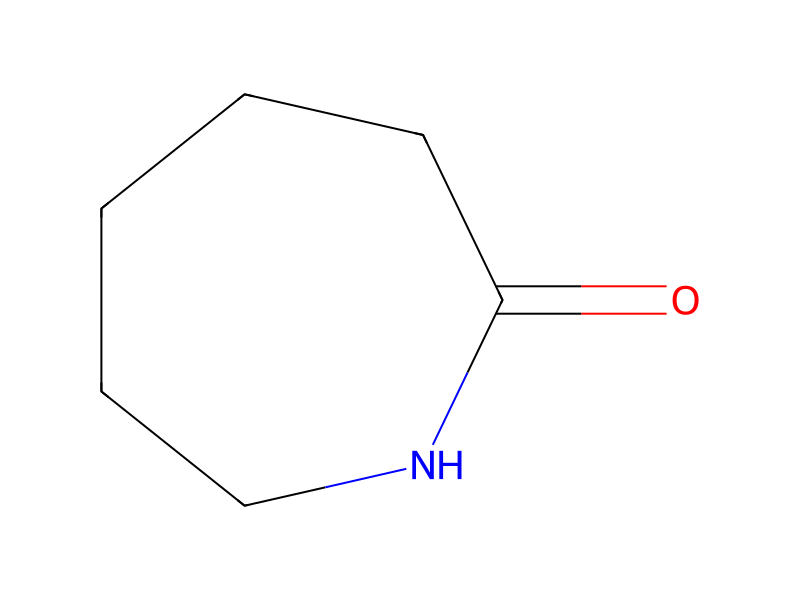
Product 1

Procedure
Thus after 2 times recycle of the distillation residue, an overall caprolactam yield of 91.2 mol % had been achieved based on the initial amount of M5FV. In the first cyclization pass, where still some methanol was present, 5.1 mol % of the unwanted by-product N-methyl caprolactam was formed. The approximated caprolactam yield per pass was 61.2% in the first pass, 66.5% in the second pass (first recycle of distillation residue) and 66.4% in the third pass (second recycle of distillation residue). Thus, it was proven that after distillative caprolactam recovery the remaining distillation residue can be successfully recycled to the cyclization reactor resulting in a high overall caprolactam yield.
Sources & evidence
- ORD record
- ord-01d8852303f64bba86872d48770c226c
- Source dataset
- uspto-grants-1998_02
- Patent number
- US05717089
Reaction notes
Loading…