Sodium Hydroxide → HCID 22113230, compound
Reaction equation

[NH2:1][C:2]1[CH:3]=[C:4]([CH:16]=[CH:17][CH:18]=1)[C:5]([N:7]([CH2:12][CH2:13][O:14][CH3:15])[CH2:8][CH2:9][O:10][CH3:11])=[O:6].[OH-].[Na+].Cl[C:22]([O:24][C:25]1[CH:30]=[CH:29][CH:28]=[CH:27][CH:26]=1)=[O:23]>O1CCOCC1>[CH3:15][O:14][CH2:13][CH2:12][N:7]([CH2:8][CH2:9][O:10][CH3:11])[C:5]([C:4]1[CH:3]=[C:2]([NH:1][C:22](=[O:23])[O:24][C:25]2[CH:30]=[CH:29][CH:28]=[CH:27][CH:26]=2)[CH:18]=[CH:17][CH:16]=1)=[O:6]Participants
5
Reactant 3

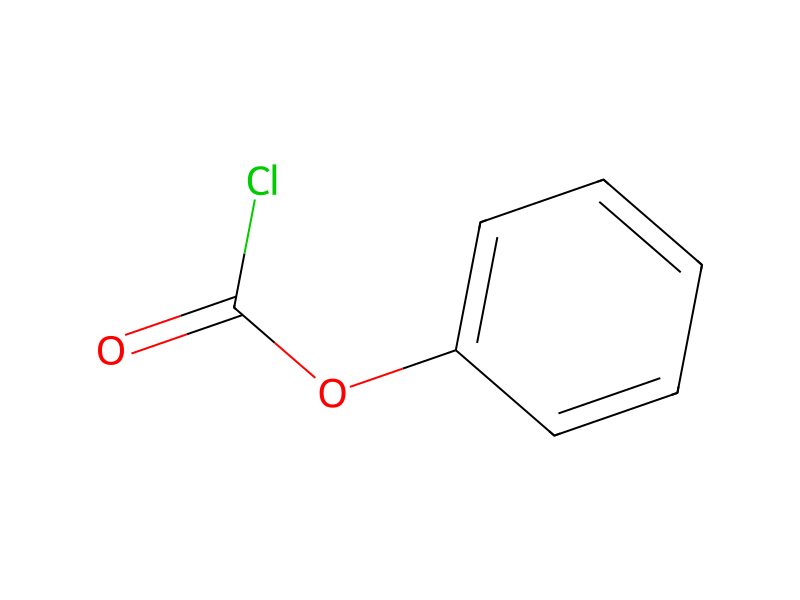

Product 1

Reagents, catalysts & solvents 1

Procedure
To a stirred solution of 3-amino-N,N-bis(2-methoxyethyl)benzamide (1.01 g) in 1,4-dioxane (10 ml) was added 1N sodium hydroxide solution (5.2 ml) and phenyl chloroformate (0.55 ml) successively in an ice-cooled bath. The bath was removed and the reaction mixture was stirred vigorously for 1 hour, during which time phenyl chloroformate (0.25 ml) was further added. The mixture was extracted with dichloromethane and the organic layer was washed with water twice and brine, dried over anhydrous magnesium sulfate, and evaporated in vacuo. The residue was crystallized from diisopropyl ether to give phenyl 3-[N,N-bis(2-methoxyethyl)carbamoyl]phenylcarbamate (1.30 g) as a colorless powder.
Workup
- temperaturecooled bath
- customThe bath was removed
- additionwas further added
- extractionThe mixture was extracted with dichloromethane
- washthe organic layer was washed with water twice
- dry with materialbrine, dried over anhydrous magnesium sulfate
- customevaporated in vacuo
- customThe residue was crystallized from diisopropyl ether
Sources & evidence
- ORD record
- ord-bfad2d7258574cdcbdc3b0fa7d8fbcce
- Source dataset
- uspto-grants-1996_10
- Patent number
- US05563162
Reaction notes
Loading…