Boron trifluoride etherate → HCID 22803978, compound
Reaction equation

[O:1]([CH3:21])[C:2]([C@@H:4]1[CH:19]=[C:18]2[C@@H:8]([CH2:9][CH:10]3[C:20]4[C:13](=[CH:14][CH:15]=[CH:16][C:17]2=4)[NH:12][CH2:11]3)[N:6]([CH3:7])[CH2:5]1)=[O:3].B(F)(F)F.CCOCC.S(Cl)([Cl:34])(=O)=O>C(Cl)Cl>[Cl:34][CH:11]1[NH:12][C:13]2[C:20]3[CH:10]1[CH2:9][C@@H:8]1[C:18]([C:17]=3[CH:16]=[CH:15][CH:14]=2)=[CH:19][C@@H:4]([C:2](=[O:3])[O:1][CH3:21])[CH2:5][N:6]1[CH3:7]Participants
Reactant 3

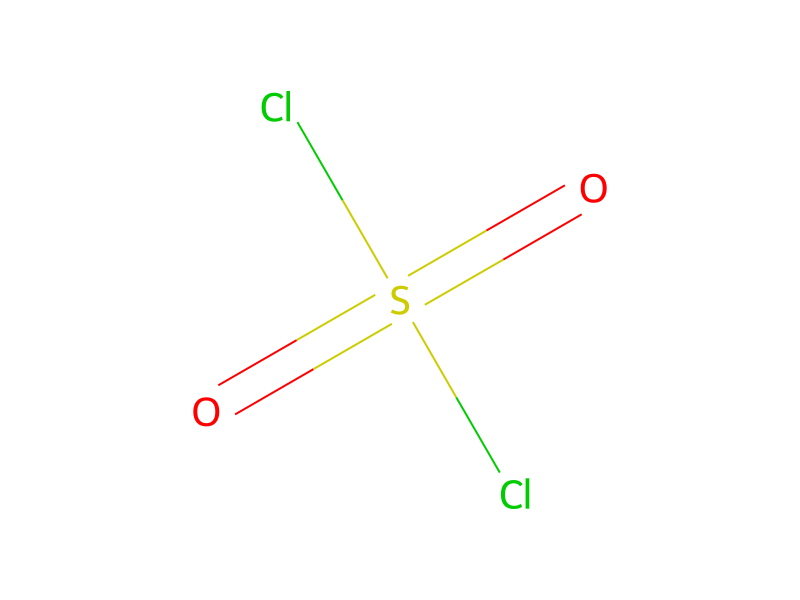

Product 1

Reagents, catalysts & solvents 1

Procedure
885 mg. of methyl dihydrolysergate were dissolved in 50 ml. of methylene dichloride. 0.95 ml. of boron trifluoride etherate were added and the reaction mixture cooled to a temperature in the range 0°-5° C. A solution of 0.27 ml. sulfuryl chloride in 20 ml. of methylene dichloride was added in dropwise fashion. The reaction mixture was stirred and cooled for about 15 minutes and then quenched by pouring into an ice-dilute ammonium hydroxide mixture. D-2-chloro-6-methyl-8-carboxyergoline, methyl ester or methyl 2-chlorodihydrolysergate formed in the above reaction was isolated and purified by the procedure of Example 1. Chromatography over fluorosil using 2 percent methanol in chloroform yielded 730 mg. (74 percent yield) of crystalline material melting at 206°-8° C. with decomposition.
Workup
- temperaturethe reaction mixture cooled to a temperature in the range 0°-5° C
- temperaturecooled for about 15 minutes
- customquenched
- additionby pouring into an ice-dilute ammonium hydroxide mixture
Sources & evidence
- ORD record
- ord-0720e4fc70234c2ab4158727b3049718
- Source dataset
- uspto-grants-1978_07
- Patent number
- US04098790
Reaction notes
Loading…