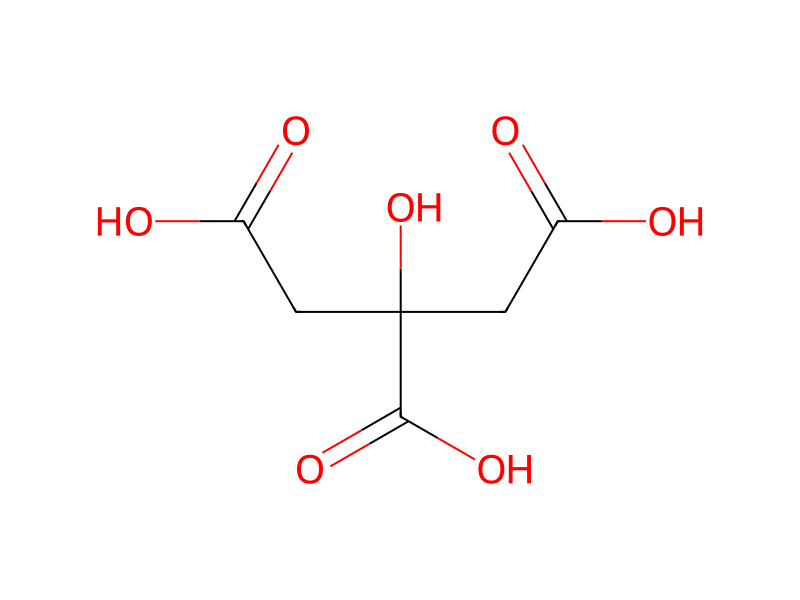
Citric Acid → Ethyl 3-amino-5-chloro-4-cyclohexylphenylglyoxylate
Reaction equation

[Cl:1][C:2]1[CH:3]=[C:4]([C:17](=[O:23])[C:18]([O:20][CH2:21][CH3:22])=[O:19])[CH:5]=[C:6]([N+:14]([O-])=O)[C:7]=1[CH:8]1[CH2:13][CH2:12][CH2:11][CH2:10][CH2:9]1.CO.C(O)(=O)CC(CC(O)=O)(C(O)=O)O.[H][H]>[Pd]>[NH2:14][C:6]1[CH:5]=[C:4]([C:17](=[O:23])[C:18]([O:20][CH2:21][CH3:22])=[O:19])[CH:3]=[C:2]([Cl:1])[C:7]=1[CH:8]1[CH2:9][CH2:10][CH2:11][CH2:12][CH2:13]1Participants
6





Procedure
A mixture of 17.6 g. (0.05 moles) of ethyl 3-chloro-5-nitro-4-cyclohexylphenylglyoxylate in 100 ml. of methanol containing 0.05 moles of citric acid and 1.5 g. of 5% palladium-on-carbon is shaken with hydrogen at 3 atm. pressure and 27° C until 3 moles of hydrogen are absorbed. The mixture is filtered, washed with methanol and the filtrate concentrated in vacuo to obtain ethyl 3-amino-5-chloro-4-cyclohexylphenylglyoxylate isolated as the citrate salt.
Workup
- additionA mixture of 17.6 g
- customare absorbed
- filtrationThe mixture is filtered
- washwashed with methanol
- concentrationthe filtrate concentrated in vacuo
Sources & evidence
- ORD record
- ord-73eed884745348e4a3368066e07619cd
- Source dataset
- uspto-grants-1978_07
- Patent number
- US04101591
Reaction notes
Loading…